The Impact of Technology on Emotional Well-Being
19 June 2026
Technology has completely transformed the way we live. We wake up to phone notifications, scroll through social media during breaks, and fall asleep with a screen in front of us. But have you ever stopped to think about how all this tech use affects your emotional well-being?
Sure, technology makes life easier in many ways. We can connect with loved ones, access endless entertainment, and even manage our mental health with apps. But at the same time, it also comes with stress, anxiety, and feelings of isolation. Let’s break it down and see both sides of the story.

How Technology Affects Mental and Emotional Health
Technology is a double-edged sword. It offers convenience, entertainment, and connection, but it can also contribute to stress, anxiety, and emotional exhaustion. Let's dive into some of the biggest ways technology is impacting our emotional well-being.
1. Social Media and Emotional Health
Social media is one of the most powerful technological developments in recent history. It keeps us connected, helps us stay updated on world events, and even allows us to express ourselves. But let’s be honest—social media isn’t always sunshine and rainbows.- The Comparison Trap: Scrolling through Instagram, you see people posting their glamorous vacations, perfect relationships, and career milestones. It’s hard not to compare your life to theirs. This constant comparison can lead to feelings of inadequacy, low self-esteem, and even depression.
- Fear of Missing Out (FOMO): Seeing friends hanging out without you or witnessing events you weren’t invited to can spark feelings of loneliness and exclusion.
- Dopamine Addiction: Every time you get a like, comment, or share, your brain releases dopamine—a feel-good chemical. Over time, this can become addictive, leading to a cycle of constantly seeking online validation.
Social media isn't inherently bad, but overuse or unhealthy engagement can take a toll on your emotional well-being.
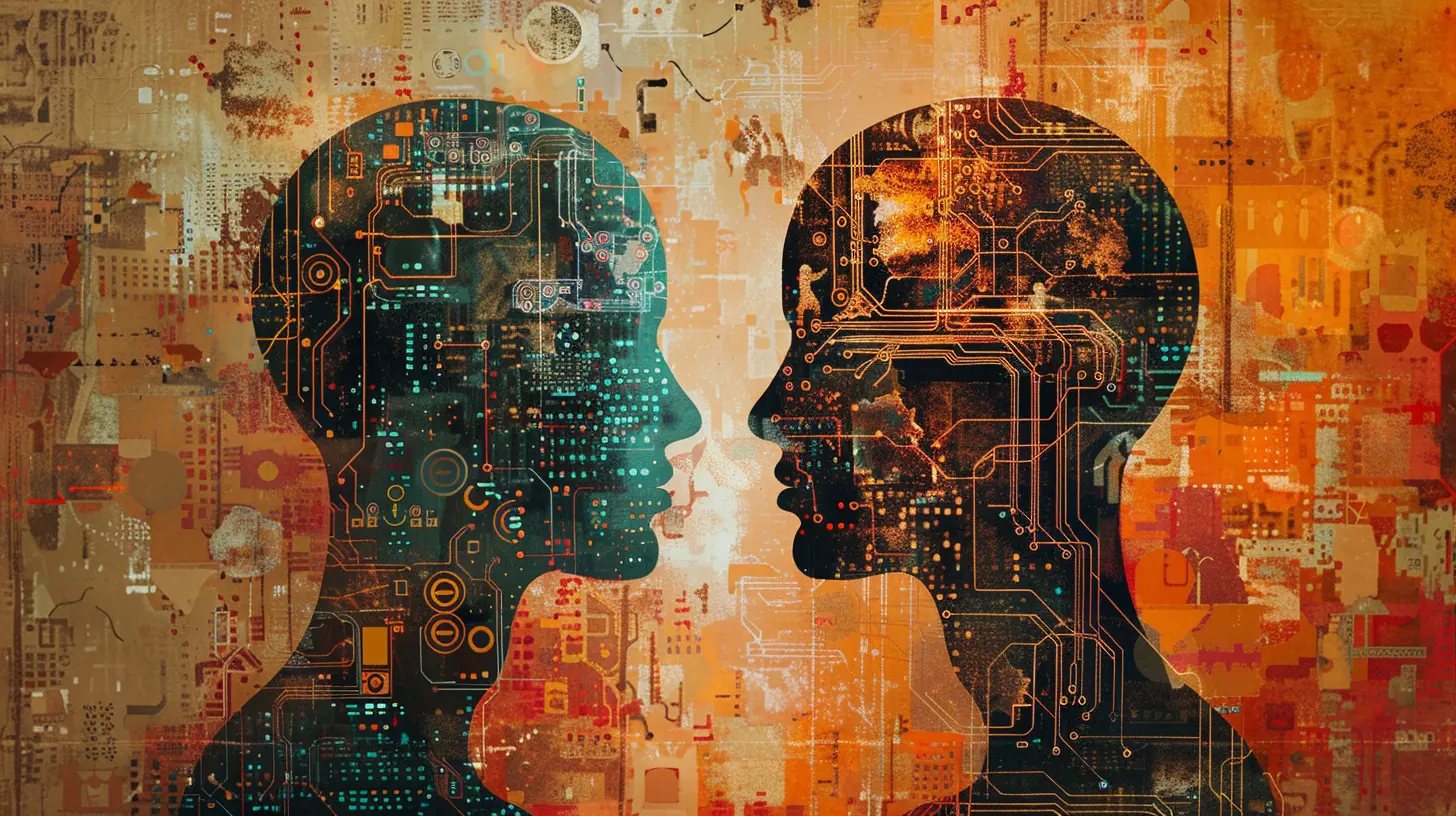
2. The Rise of Digital Stress and Anxiety
Our devices have made life more accessible, but they've also increased stress levels. Ever felt overwhelmed by constant notifications, emails, or messages? That’s digital stress in action.- Notification Overload: The constant pings from emails, messages, and social media can make it feel like your brain never gets a break. This can lead to heightened anxiety and difficulty focusing.
- Work-Life Blur: Work emails at 10 PM? No thanks! But with remote work and smartphones, it’s hard to separate work from personal life. This can lead to burnout, stress, and emotional exhaustion.
- Information Overload: The internet bombards us with news, opinions, and content every second. Too much information can make it hard to process emotions properly, often leading to anxiety.
3. Technology and Sleep Disruptions
Struggling with sleep? Your phone might be to blame.- Blue Light Exposure: The blue light emitted by screens messes with melatonin production, making it harder to fall asleep.
- Late-Night Scrolling: Ever meant to check just one notification but ended up scrolling for an hour? This habit reduces sleep quality and increases the risk of insomnia.
- Stress and Overthinking: Checking work emails or reading bad news before bed can trigger stress, preventing you from getting restful sleep.
A lack of quality sleep can negatively impact mood regulation, making you more prone to irritability, anxiety, and emotional instability.
4. Is Technology Making Us More Isolated?
Technology connects us to people worldwide, but ironically, many feel lonelier than ever.- Less Face-to-Face Interaction: Why meet up when you can just text? Technology has reduced in-person interactions, leading to weaker social bonds.
- Superficial Relationships: Online connections can lack depth compared to real-life friendships. A thousand followers don’t necessarily mean a strong support system.
- Social Disconnection: Spending too much time on screens can make people feel emotionally distant from those around them, even if they’re physically close.
5. Technology as a Tool for Mental Well-Being
It’s not all bad news! When used mindfully, technology can actually improve emotional well-being.- Mental Health Apps: Apps like Headspace, Calm, and BetterHelp provide resources for stress management, meditation, and therapy.
- Virtual Therapy: Online therapy has made mental health services more accessible, allowing people to seek help without stigma.
- Support Groups: Online communities connect people going through similar struggles, creating a safe space for support and healing.
6. Digital Detox: Finding Balance
So, how do we enjoy the benefits of technology without letting it ruin our emotional well-being? Here are some practical tips:- Set Screen Time Limits: Use built-in phone settings to track and limit screen time.
- Turn Off Non-Essential Notifications: Keep only the most important notifications on to reduce distractions.
- Establish Tech-Free Zones: Keep phones away during meals, in the bedroom, or during social gatherings.
- Prioritize Real-Life Connections: Make an effort to meet friends and family in person instead of relying on digital communication.
- Practice Mindful Tech Usage: Be intentional about how and when you use technology—don’t let it control you.

Final Thoughts
Technology isn’t the enemy—it’s how we use it that matters. It has the power to both improve and harm our emotional well-being. By setting boundaries, using tech mindfully, and prioritizing real-life connections, we can create a healthier relationship with our digital world.At the end of the day, technology should work for us, not against us. So, take a break from the screen, step outside, and engage with the real world—you might just feel a whole lot better.
all images in this post were generated using AI tools
Category:
Emotional Well BeingAuthor:

Eliana Burton
Discussion
rate this article
1 comments
Elara McTavish
This article sheds light on the complex relationship between technology and emotional well-being. It highlights both the positive aspects, like connectivity, and the negatives, such as increased anxiety. A balanced approach to tech use is essential for maintaining mental health in our digital world.
June 27, 2026 at 4:50 PM
Eliana Burton
Thank you for your insightful comment. Finding balance in our tech use is indeed crucial for our emotional health.