The Impact of Childhood Experiences on Adult Body Image
3 July 2026
Have you ever looked in the mirror and felt dissatisfied with what you saw? If so, you're not alone. How we perceive our bodies as adults is often shaped by our childhood experiences. From casual comments to societal pressures, the way we were raised and the environments we grew up in play a massive role in shaping our self-image today.
So, how exactly does childhood influence our body image as adults? Let’s dive deep and uncover how early life experiences leave lasting marks on our perception of ourselves.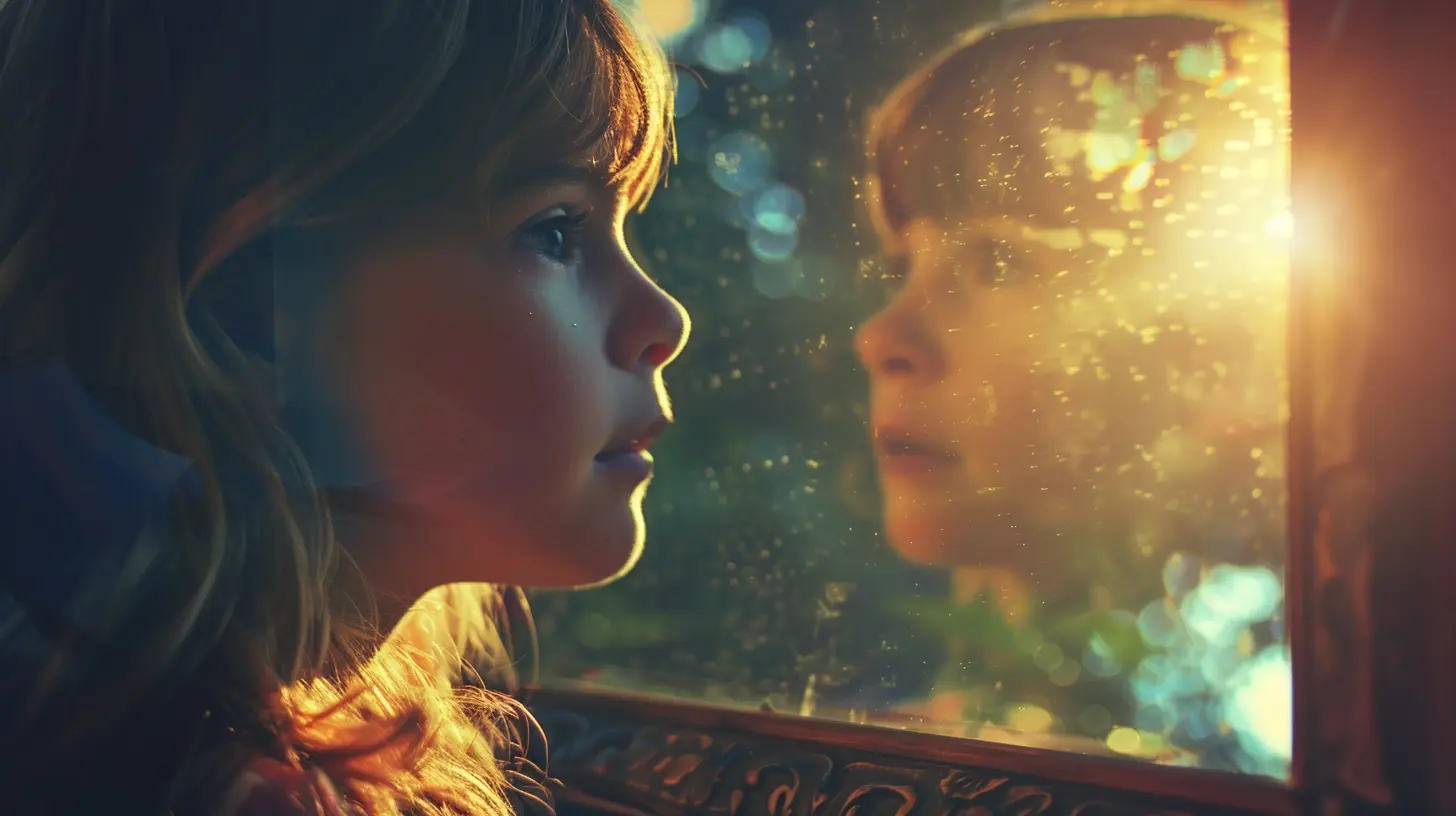
What Is Body Image?
Before we go any further, let’s break it down. Body image is how you see yourself when you look in the mirror or picture yourself in your mind. It includes thoughts, feelings, and beliefs about your body’s size, shape, and overall appearance.A positive body image means feeling comfortable and confident in your skin, while a negative body image can lead to self-doubt, anxiety, and even disordered eating patterns. But where do these perceptions come from? The answers often lie in childhood. 
The Role of Childhood in Shaping Body Image
From the moment we're born, we take in the world around us like sponges. The way our parents, teachers, and peers talk about bodies—our own or others’—can deeply impact the way we see ourselves.Here’s how childhood experiences shape our body image:
1. Parental Influence
Parents are often our first role models. Their words and behaviors significantly influence how we perceive our bodies.- Comments About Appearance – If a child constantly hears remarks about weight, dieting, or body shape, they might internalize these messages. Being told, “You should watch what you eat,” or, “You’d look better if you lost a little weight,” can plant seeds of insecurity.
- Parental Body Image – Kids observe everything. If a parent often criticizes their own body or diet obsessively, a child may adopt the same mindset.
- Approval and Affection – If love and validation were tied to appearance (e.g., "You look so pretty today!" vs. "You're such a smart and kind person"), a child may grow up believing their worth is based on physical appearance.
2. Peer Influences and Bullying
Children can be brutally honest, sometimes to a fault.- Teasing and Bullying – If a child is mocked for their weight, height, or any physical feature, it can create deep insecurities that last into adulthood. Studies show that individuals who were bullied for their weight as kids are more likely to struggle with body dissatisfaction later in life.
- Comparison and Social Hierarchies – School environments often push children to compare themselves with others. Not fitting into the "ideal" image of beauty can lead to feelings of being "less than."
3. Media and Societal Standards
Children are bombarded with images of "perfect" bodies from TV shows, cartoons, magazines, and social media. These unrealistic portrayals create impossible standards.- Cartoons and Toys – Ever noticed how animated characters often have exaggerated body proportions? Think of Barbie’s tiny waist or superheroes' unrealistic muscle mass—these shape children’s expectations of what’s normal or desirable.
- Social Media Exposure – Today’s kids grow up scrolling through filtered, photoshopped, and curated versions of reality. This constant exposure can lead to unhealthy comparisons and dissatisfaction with their natural appearance.
4. Cultural and Family Beliefs
Different cultures have different beauty standards and body expectations.- Cultural Body Ideals – Some cultures place a high emphasis on thinness, while others may value curvier or stronger bodies. If a child grows up in an environment where body size is linked to success or desirability, they may struggle with self-acceptance.
- Family Expectations – Families often have unspoken rules about food, fitness, and weight. If gaining weight is frowned upon or exercise is forced rather than encouraged for health, children can develop a complicated relationship with their bodies. 
How Childhood Experiences Affect Adult Body Image
So, how does all of this carry over into adulthood? The way we were treated as kids doesn’t just fade away—it shapes our subconscious beliefs and habits.1. Self-Criticism and Negative Self-Talk
If you grew up hearing negative comments about weight or appearance, chances are, those voices still play in your head today. You might find yourself constantly criticizing your body, no matter how much you weigh or how healthy you are.2. Disordered Eating and Unhealthy Habits
Many people develop unhealthy relationships with food due to childhood conditioning. Whether it’s emotional eating, restrictive dieting, or feeling guilty for indulging in certain foods, these habits often trace back to early experiences.3. Chronic Dissatisfaction with Appearance
Even after reaching weight-loss goals or fitness milestones, some people still feel "not good enough." This dissatisfaction often comes from deep-rooted childhood insecurities rather than actual flaws.4. Struggles with Self-Worth and Confidence
When worth has been tied to appearance, it can be hard to feel valuable for who you are rather than how you look. This can affect relationships, careers, and mental well-being.
Breaking the Cycle: How to Heal and Foster a Positive Body Image
The good news? These patterns can be unlearned. Healing from childhood experiences and fostering a positive body image is absolutely possible.1. Reframe Negative Thoughts
Start replacing self-criticism with self-compassion. Instead of thinking, "I look awful today," try, "My body is strong, and it does so much for me."2. Surround Yourself with Body-Positive Influences
Limit exposure to unrealistic social media accounts and follow people who promote self-love and body acceptance.3. Practice Gratitude for Your Body
Shift your focus from appearance to function. Your body allows you to laugh, hug, dance, and experience life—celebrate that!4. Seek Support if Needed
If deeply ingrained body image issues are affecting your happiness, therapy or counseling can be incredibly beneficial. Talking through past experiences can help you break free from harmful patterns.Final Thoughts
Our childhoods shape us in ways we often don’t realize until adulthood. If you struggle with body image, know that it’s not your fault—it’s a result of conditioning, influences, and experiences. The good news? You have the power to change the narrative. By challenging old beliefs and practicing self-compassion, you can rewrite your relationship with your body and build a healthier, more positive self-image.Remember, your body is not your enemy—it’s your lifelong home. Treat it with kindness, always.
all images in this post were generated using AI tools
Category:
Body ImageAuthor:

Eliana Burton
Discussion
rate this article
1 comments
Kassandra Blevins
Ah yes, let's blame our childhood for everything... like that time I had no friends and ended up with a fear of mirrors. Classic childhood trauma, right?
July 5, 2026 at 3:24 AM
Eliana Burton
Childhood experiences shape us in unexpected ways, even fears that seem unrelated. It's all part of the journey.