The Benefits of Yoga and Stretching for Stress Relief
30 March 2026
Let’s face it—life can be a rollercoaster of responsibilities, deadlines, and personal challenges. Stress has basically become part of the modern lifestyle, like coffee in the morning or endlessly scrolling on your phone at night. But here’s the twist: even though we can’t always avoid stress, we can totally change the way we deal with it. And you know what’s surprisingly effective? Yoga and stretching.
Now, before you roll your eyes and say, "I’m not flexible enough for that," stick with me. You don't need to twist like a pretzel or chant in Sanskrit to benefit from these ancient techniques. Yoga and stretching can bring peace to your mind and body in ways that are both real and long-lasting.
So, grab a comfy seat (or maybe even a yoga mat if you’re feeling fancy), because we’re diving deep into the calming world of yoga and stretching—and why they might just be your new stress-busting best friends.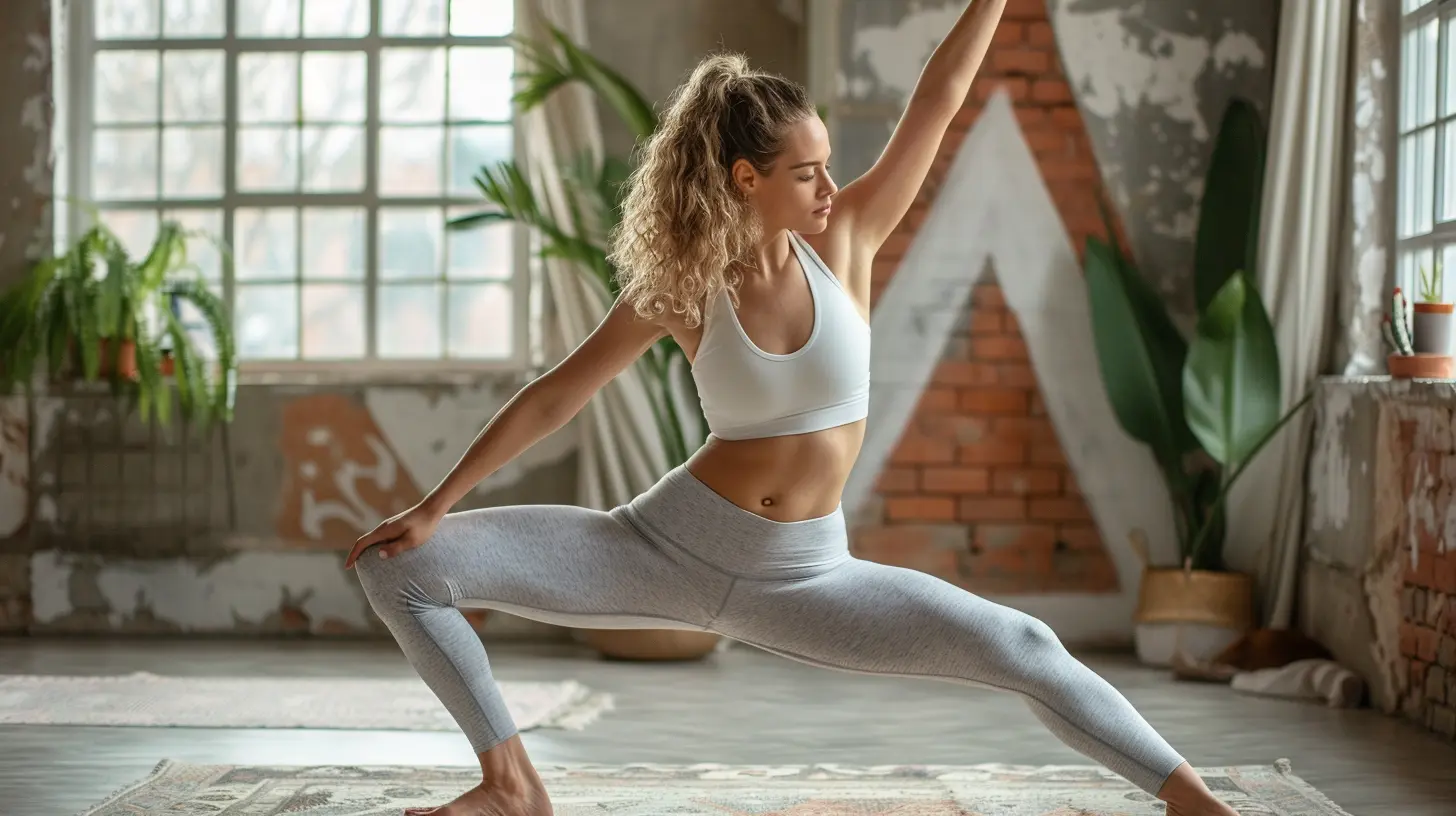
Why Does Stress Hit Us So Hard?
Here’s the deal: our bodies are programmed to react to stress. It’s called the “fight or flight” response. When your brain senses a threat—whether it’s a hungry lion or your boss’s passive-aggressive email—it sends out a flood of stress hormones to help you survive.Your heartbeat speeds up. Your breathing gets shallow. Muscles tighten like you’re preparing for battle.
That’s great if you’re in the jungle. But when you're just trying to get through a Zoom meeting, it's not so helpful. This chronic activation of the stress response messes with your sleep, immune system, digestion, and even your mood.
Luckily, yoga and stretching offer a natural way to switch off the alarm bells in your body.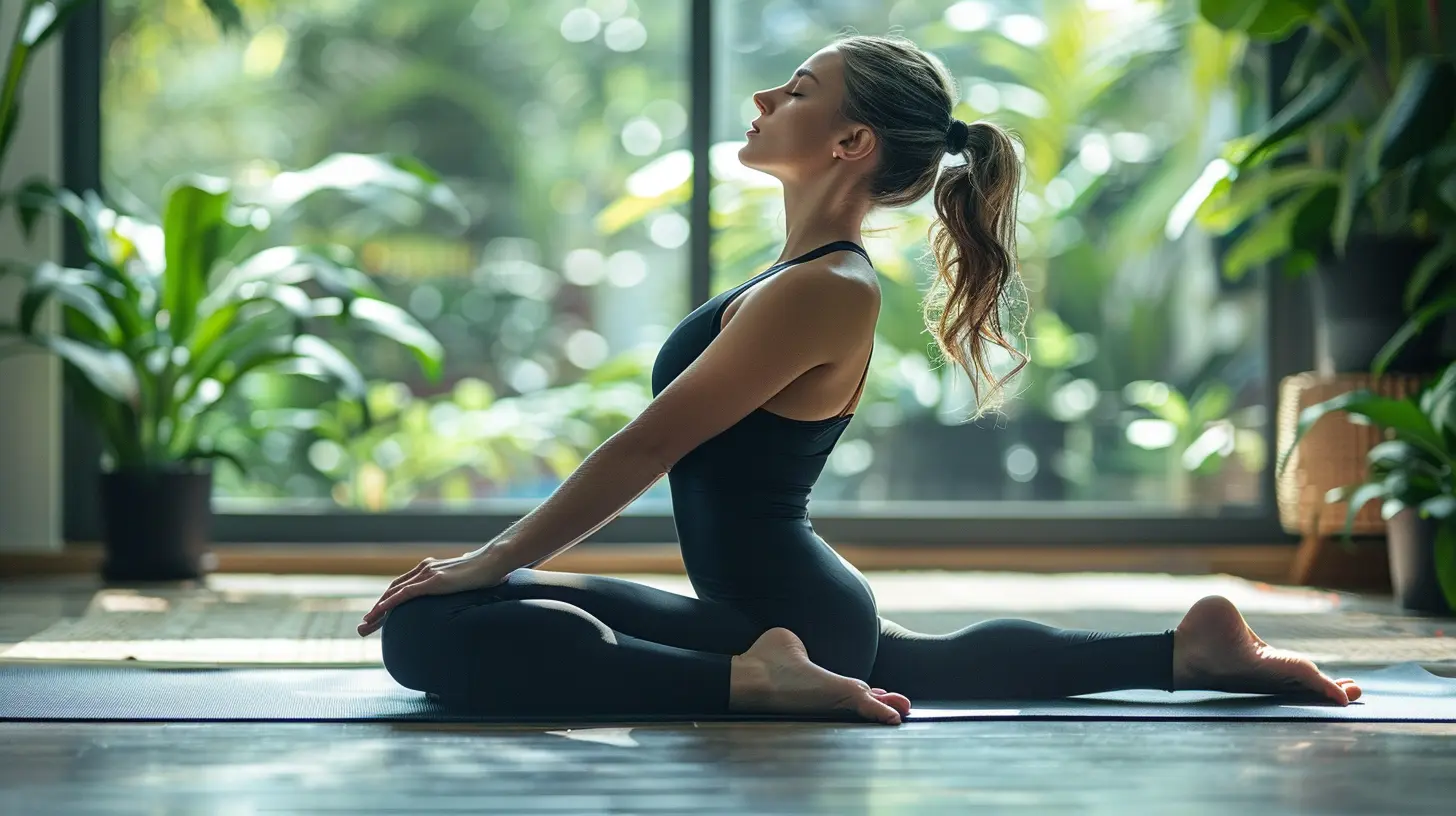
The Science-Backed Benefits of Yoga for Stress Relief
Yoga isn’t just about fancy poses or taking Instagram-worthy shots; it’s a full-package deal for your mind and body. Here's how it works its magic:1. Calms the Nervous System
Yoga activates what’s called the parasympathetic nervous system—aka the “rest and digest” mode. Basically, it’s the opposite of stress. When you combine breath control (pranayama) and slow, intentional movement, your body begins to relax. It’s like hitting the "reset" button on your nervous system.2. Reduces Cortisol (The Stress Hormone)
Studies have shown that regular yoga practice can lower cortisol levels. And when cortisol takes a backseat, your body gets better at dealing with anxiety, fatigue, and the emotional overload that modern life throws at us.3. Improves Sleep Quality
Stress often leads to terrible sleep. Tossing, turning, overthinking—it’s exhausting. Yoga, especially gentle forms like Yin or Hatha, helps slow down your mind and body, making it easier to fall and stay asleep.4. Enhances Mood and Emotional Resilience
Through intentional breathing and mindfulness, yoga encourages a more balanced emotional state. It's not a magic cure, but it helps you pause, reflect, and respond with clarity instead of reacting in frustration.Ever notice how you feel better after just 10 minutes on the mat? That’s your brain releasing feel-good chemicals like serotonin and GABA (gamma-aminobutyric acid). Translation: more calm, less chaos.
Why Stretching is More Powerful Than You Think
Now let’s talk about stretching. While it might not seem as “glamorous” as yoga, it’s wildly underrated when it comes to stress relief.1. Muscle Tension = Mental Tension
When we're stressed, our shoulders hike up, jaws clench, and necks get stiff—your body literally stores tension. Stretching helps release this pressure. Think of it like wringing out a sponge soaked in stress. A few gentle neck rolls or backbends can do wonders.2. Promotes Blood Flow and Oxygen
Stretching increases circulation, feeding your brain and muscles with more oxygen. This helps reduce headaches, brain fog, and that tight, heavy feeling we often carry around when life gets overwhelming.3. Triggers the Relaxation Response
Just like yoga, stretching can put the body into a relaxed state when you hold poses for more than 30 seconds. With consistent practice, you can actually train your body to shift from stress mode to chill mode faster.4. Encourages Mindfulness
Stretching forces you to slow down. It calls attention to the present moment—which, let’s be real, is something we all need more of. Focusing on how your body feels, even for a few moments, pulls you away from mental spirals and back into your body.
Best Yoga Poses for Stress Relief
You don’t need to be an expert to feel the stress-melting benefits of yoga. Start simple. Here are a few poses that practically give your nervous system a big, warm hug.🧘♀️ Child’s Pose (Balasana)
- Gently stretches the lower back and hips- Calms the mind
- Ideal for grounding and resting
🧘♀️ Legs-Up-The-Wall (Viparita Karani)
- Reduces swelling in legs- Encourages lymphatic drainage
- Relieves tired feet and resets the nervous system
🧘♀️ Cat-Cow Stretch (Marjaryasana-Bitilasana)
- Releases tension in the spine- Syncs breath and movement
- Great for starting or ending your day
🧘♀️ Forward Fold (Uttanasana)
- Helps release tight hamstrings and lower back- Promotes introspection and calming energy
- Can improve digestion
🧘♀️ Corpse Pose (Savasana)
- The ultimate relaxation pose- Helps integrate all the benefits from your practice
- Allows full mental and physical surrender
Simple Stretching Techniques to Melt Away Stress
Don’t feel like doing a full yoga session? No problem. Even simple stretches can flip the switch from stressed to serene.Neck Rolls
Gently roll your head in circles, easing tension from the neck and shoulders. Perfect for when you’ve been hunched over a screen.Shoulder Shrugs
Raise your shoulders up to your ears, hold for a few seconds, then release. Repeat a few times. You'll feel a surprising difference.Seated Spinal Twist
Great for decompressing the spine and refreshing your energy.Hamstring Stretch
Relieves tension in the lower body and helps improve posture. Happier hamstrings, happier you.Wrist and Hand Stretch
If you type all day, your wrists probably need some love. Stretching your wrists can prevent strain and promote better circulation.How Long Should You Practice?
You don’t need to dedicate an hour every day. Even 10–15 minutes of gentle yoga or stretching can offer noticeable stress relief. Consistency beats intensity here.Try creating a tiny ritual. Maybe some light stretching before bedtime. Or a short yoga break during your lunch hour. Once it becomes a habit, you’ll start craving that calm like your morning coffee.
Mental and Emotional Benefits of Yoga and Stretching
Beyond the physical perks, yoga and stretching help you reconnect with yourself.They teach you to:
- Breathe through discomfort
- Become aware of thoughts without getting caught up in them
- Slow down in a world that never stops moving
You learn to sit with your emotions instead of pushing them down. It’s like giving your inner world a big, empathetic hug.
Incorporating Yoga and Stretching Into Your Daily Routine
It’s easier than you think:- Morning: Start your day with a quick Sun Salutation or gentle stretch to wake up your body.
- Work Breaks: Every couple of hours, do a few neck rolls or shoulder shrugs to reset.
- Evening Wind-down: Use relaxing poses like Child’s Pose or Legs-Up-The-Wall before bedtime to signal to your body that it’s time to rest.
You don’t need the perfect mat, outfit, or space. All you need is a willingness to pause, breathe, and stretch.
Final Thoughts: Make It Yours
There’s no one-size-fits-all when it comes to stress relief. But yoga and stretching offer a beautiful, flexible (pun totally intended) way to calm your body, center your mind, and connect with yourself on a deeper level.So next time you’re feeling overwhelmed, instead of reaching for another cup of coffee or doom-scrolling through social media, try rolling out a mat or even just stretching in your chair. Your mind and body will thank you.
Remember, it's not about being perfect—it’s about showing up for yourself. One stretch, one pose, one breath at a time.
all images in this post were generated using AI tools
Category:
Stress ManagementAuthor:

Eliana Burton
Discussion
rate this article
2 comments
Aleta Morales
Embrace the mat! A little yoga and stretching can turn stress into bliss. Let's bend, breathe, and laugh our worries away—your mind and body will thank you!
April 15, 2026 at 2:32 PM
Eliana Burton
Absolutely! Yoga and stretching are great ways to release stress and find peace. Let's keep bending and breathing together!
Aris Wilcox
Thank you for this insightful article on the benefits of yoga and stretching for stress relief. It's amazing how integrating these practices into our daily routines can significantly enhance mental well-being. I appreciate the practical tips you provided, making it easier for readers to get started. Great work!
March 31, 2026 at 3:42 AM
Eliana Burton
Thank you for your kind words! I'm glad you found the article helpful. Wishing you all the best on your yoga and stretching journey!