Navigating Grief in Blended Families: Unique Challenges and Solutions
30 May 2026
Grief is tough for any family, but when you're part of a blended family, the journey can feel even more complicated. Different relationships, past histories, and varying levels of emotional connection can make mourning a loved one particularly challenging. If you're struggling to navigate grief in a blended family, you're not alone.
In this article, we'll dive into the unique challenges blended families face when dealing with loss and practical solutions to help each family member heal while strengthening the bonds that hold everyone together.
Understanding Grief in Blended Families
Grief is never a one-size-fits-all experience. Everyone processes loss in their own way, but in blended families, the layers of relationships can make things more complex. A step-parent, half-sibling, or even a former spouse's passing can bring up unexpected emotions, sometimes making grief even harder to cope with.Unlike traditional family structures, blended families often include multiple parental figures, stepchildren, and extended family members who may not share the same emotional experiences. Some may feel a profound loss, while others might struggle with how to express or even validate their emotions.
So how do you navigate these emotional challenges without letting them tear your family apart?
Unique Challenges of Grieving in a Blended Family
Blended families come with their own set of dynamics that can make processing grief more difficult. Here are some of the most common challenges:1. Different Levels of Attachment
Not everyone in the family will have had the same connection with the deceased. A biological child may feel the deep loss of a parent, while a step-parent or step-sibling may struggle to express their sadness without feeling like an outsider.2. Conflicted Loyalties
Grief can stir up old wounds, especially in blended families. A child might feel guilty for turning to a step-parent for comfort, worrying that it betrays their biological parent. Similarly, a surviving spouse may struggle with honoring the memory of their late partner while moving forward with a new one.3. Varying Coping Mechanisms
Everyone grieves differently. Some may want to talk about their emotions, while others might shut down completely. Finding a balance between different grieving styles in a household can be tricky.4. Unresolved Past Issues
Old tensions between step-siblings, co-parents, or former spouses can resurface during grief. If the family has a history of conflict, the emotional weight of loss can intensify pre-existing struggles.5. Lack of Support from External Family
Extended family members may not recognize the depth of grief within a blended family. Grandparents, aunts, or uncles may unknowingly dismiss the feelings of stepchildren or a surviving step-parent, adding to the emotional strain.
Solutions for Navigating Grief as a Blended Family
Despite these challenges, blended families can navigate grief together by fostering open communication, patience, and mutual support. Here are some practical ways to work through grief together:1. Acknowledge Everyone’s Feelings
Grief is personal, and no two people will experience it the same way. Encourage open conversations where each family member can express their emotions without fear of judgment. Whether someone feels intense sorrow or relief (especially in cases of long-term illness), their feelings are valid.A great way to create a safe space for discussion is by setting aside time for family check-ins. Let everyone share how they’re feeling and what they need from the family to heal.
2. Respect Different Grieving Styles
Some people need to talk through their emotions, while others prefer solitude. It's essential to allow each person to grieve in their own way without forcing a specific approach.For example, if an older sibling prefers journaling while a younger child wants to talk, honor those differences. Creating space for different coping mechanisms helps prevent resentment and isolation.
3. Create New Rituals to Honor the Deceased
Honoring a lost loved one can be a powerful way to bring a blended family closer. Consider creating new traditions that allow everyone to remember the person in their own way.Some ideas include:
- A Memory Box – Each family member can add photos, letters, or keepsakes that remind them of the deceased.
- Annual Remembrance Day – Dedicate a day each year to share memories and do something meaningful in their honor.
- Cooking Their Favorite Meal – Preparing a loved one’s favorite dish can be a comforting way to keep their presence alive in daily life.
4. Encourage Individual and Family Counseling
Therapy can be incredibly helpful, especially in blended families dealing with loss. A grief counselor can provide guidance on coping strategies while helping families communicate more effectively.Family counseling can also create a neutral space for discussing emotions, reducing misunderstandings, and reinforcing unity.
5. Practice Patience and Understanding
Grief doesn’t follow a set timeline. Some family members may seem to recover quickly, while others take longer. It’s important to be patient with one another and avoid placing expectations on how grief “should” look.It’s okay if a stepchild isn’t as deeply affected as a biological child. Similarly, a surviving spouse may need time before they’re ready to re-engage fully in family activities. Giving each other space and grace is crucial.
6. Maintain Open Communication with Co-Parents
If your blended family includes co-parenting with an ex-spouse, keeping open lines of communication can be crucial in helping children navigate grief. Working together can prevent unnecessary conflicts and ensure the child’s emotional needs remain the top priority.For example, discussing how to handle memorial services, special anniversaries, or emotional triggers ahead of time can help create a sense of stability for children.
7. Support Each Other Beyond the Initial Loss
Grief doesn’t disappear after the funeral. It lingers in small moments—holidays, birthdays, and even random days when emotions surface unexpectedly. Supporting each other beyond the initial weeks or months is essential in fostering long-term healing.Check in regularly with family members, especially children, and remind them that their grief is valid no matter how much time has passed.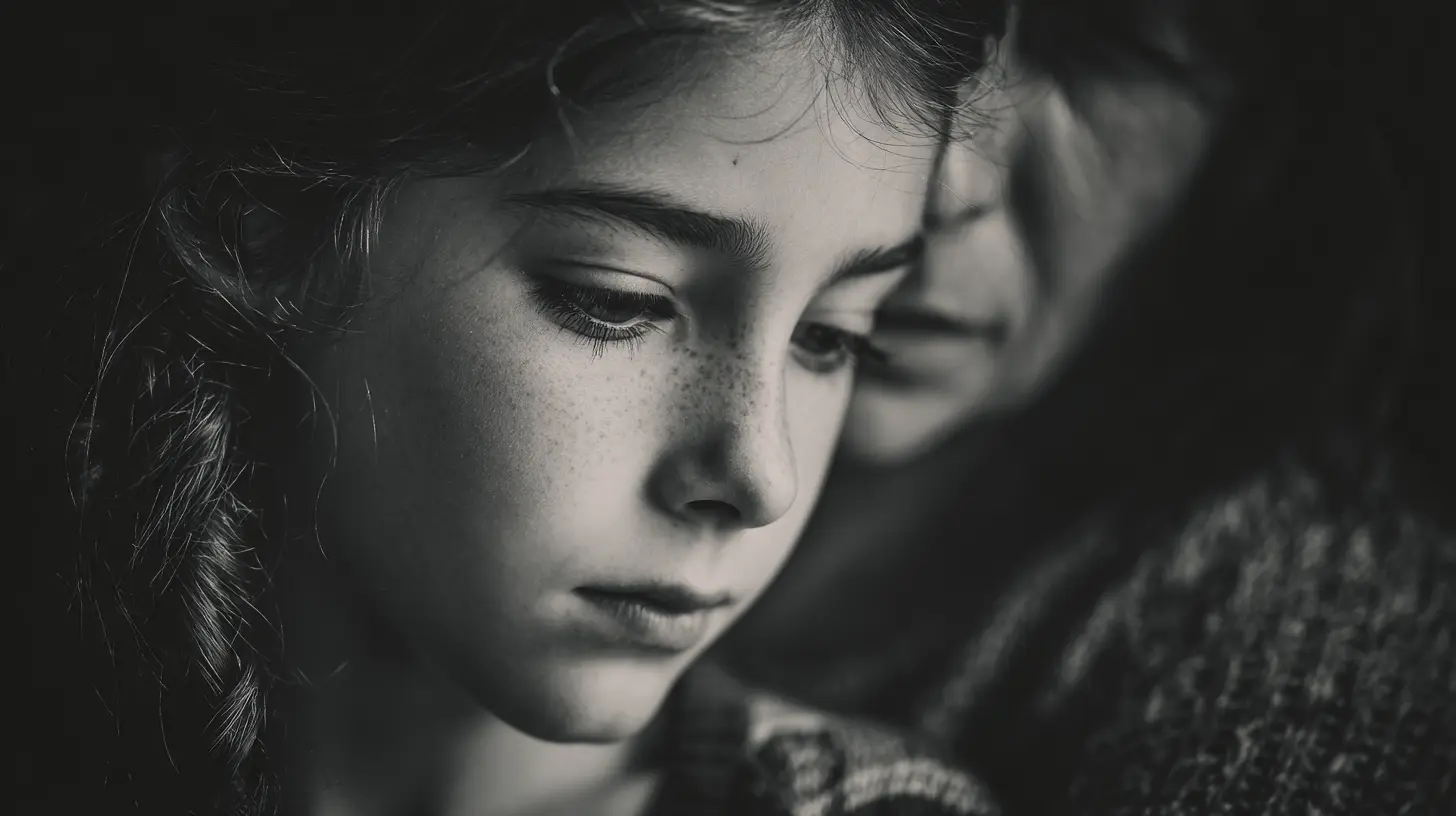
Moving Forward as a Stronger Family
Grief has a way of changing families, but that doesn’t mean it has to break them. The loss of a loved one can be a painful journey, but blended families that embrace open communication, mutual support, and understanding can emerge even stronger.Blended families are built on resilience, adaptability, and love. While grief may test those bonds, working through it together can deepen the connections that make your family unique. With patience, compassion, and intentional support, healing is possible.
If your family is currently struggling with loss, remember—there’s no right or wrong way to grieve. The most important thing is that you support one another and allow space for healing to happen in its own time.
all images in this post were generated using AI tools
Category:
Grief And LossAuthor:

Eliana Burton
Discussion
rate this article
1 comments
Melissa Cole
This article offers valuable insights for blended families facing grief. Your compassion and understanding can truly make a difference in healing together.
June 8, 2026 at 3:39 PM
Eliana Burton
Thank you for your thoughtful comment. I'm glad the article resonates and can help blended families in their healing journey.