Nature Therapy: How Time Outdoors Can Reduce Stress
29 March 2026
Ever feel like your brain’s running a marathon while you're just sitting at your desk? Or like your heart races every time you see an email notification? You’re not alone. Stress has become the background noise of our modern lives. But there’s something beautifully simple that might help lower the volume: nature therapy.
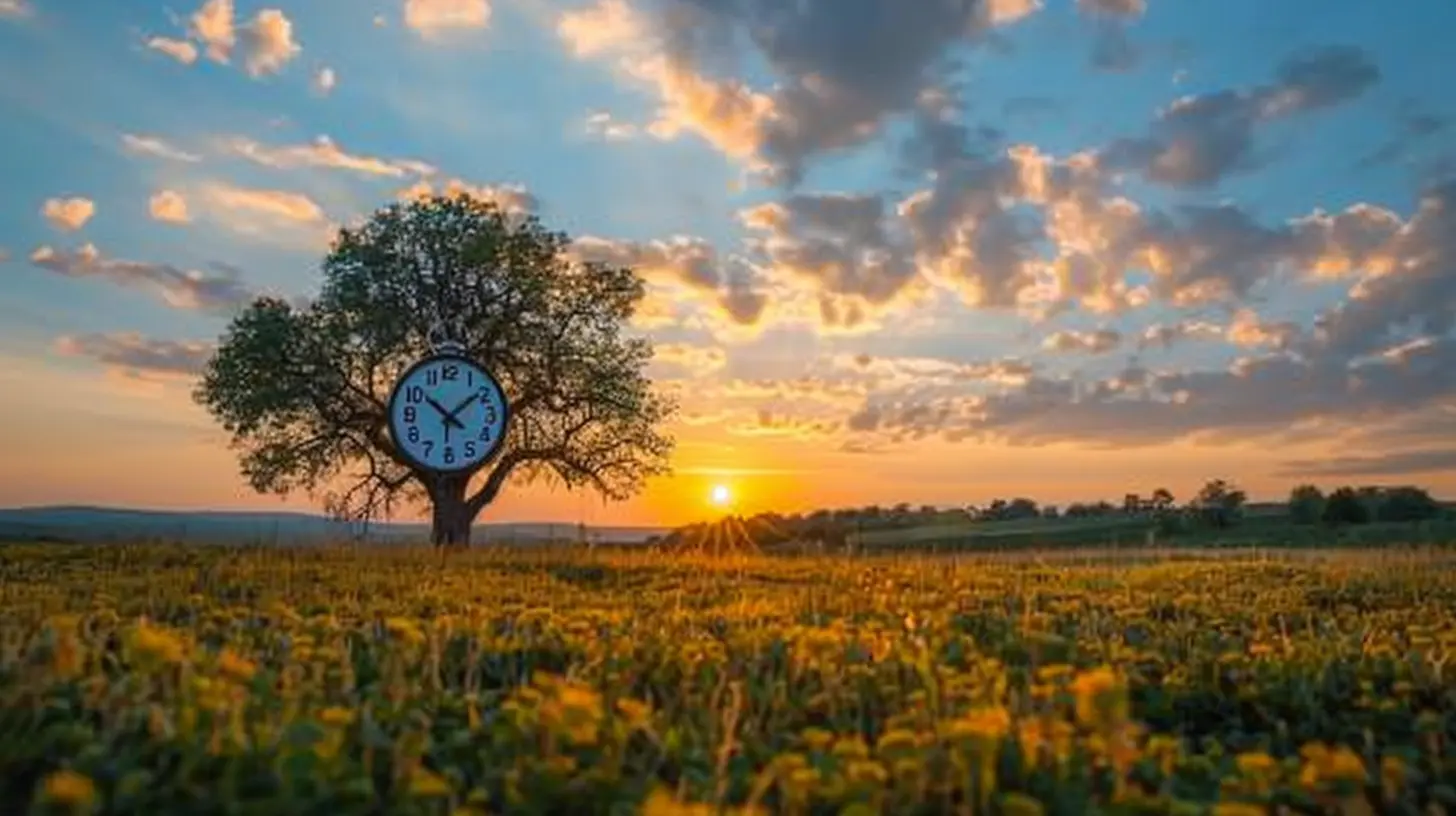
What Exactly is Nature Therapy?
Nature therapy, also known as ecotherapy, green therapy, or forest bathing, is the practice of spending time in natural settings to improve mental health and well-being. It’s not about hugging trees (unless you’re into that); it’s about reconnecting with the outdoors to find calm, clarity, and balance.Think of it as a reset button for your brain. The idea is that being in nature helps reduce stress, anxiety, and even symptoms of depression. And here’s the kicker — science backs it up.
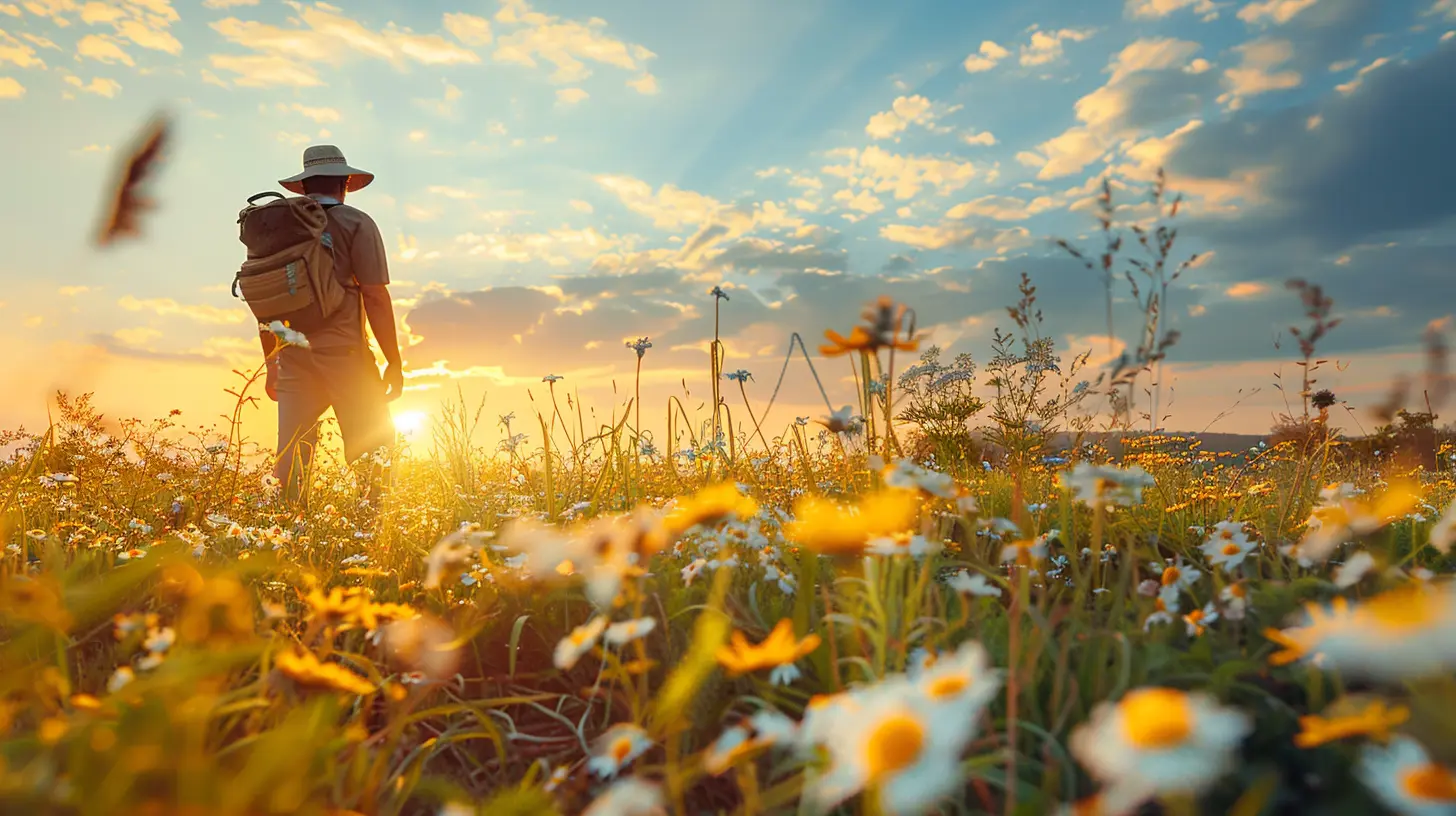
Why Are We So Stressed in the First Place?
Before we dive into the greenery, let’s talk about our stress-packed lives. Most of us spend 90% of our time indoors, surrounded by screens, artificial lighting, traffic noise, and deadlines. We live in a fast-paced world where multitasking is the norm, and our senses are constantly bombarded with information.Our brains were never evolved for this environment. We’re wired for the great outdoors — for listening to birdsong, watching flowing streams, and walking under open skies. When we stay away from nature for too long, our stress levels spike. That’s where nature therapy steps in — not as a luxury, but as a necessity.
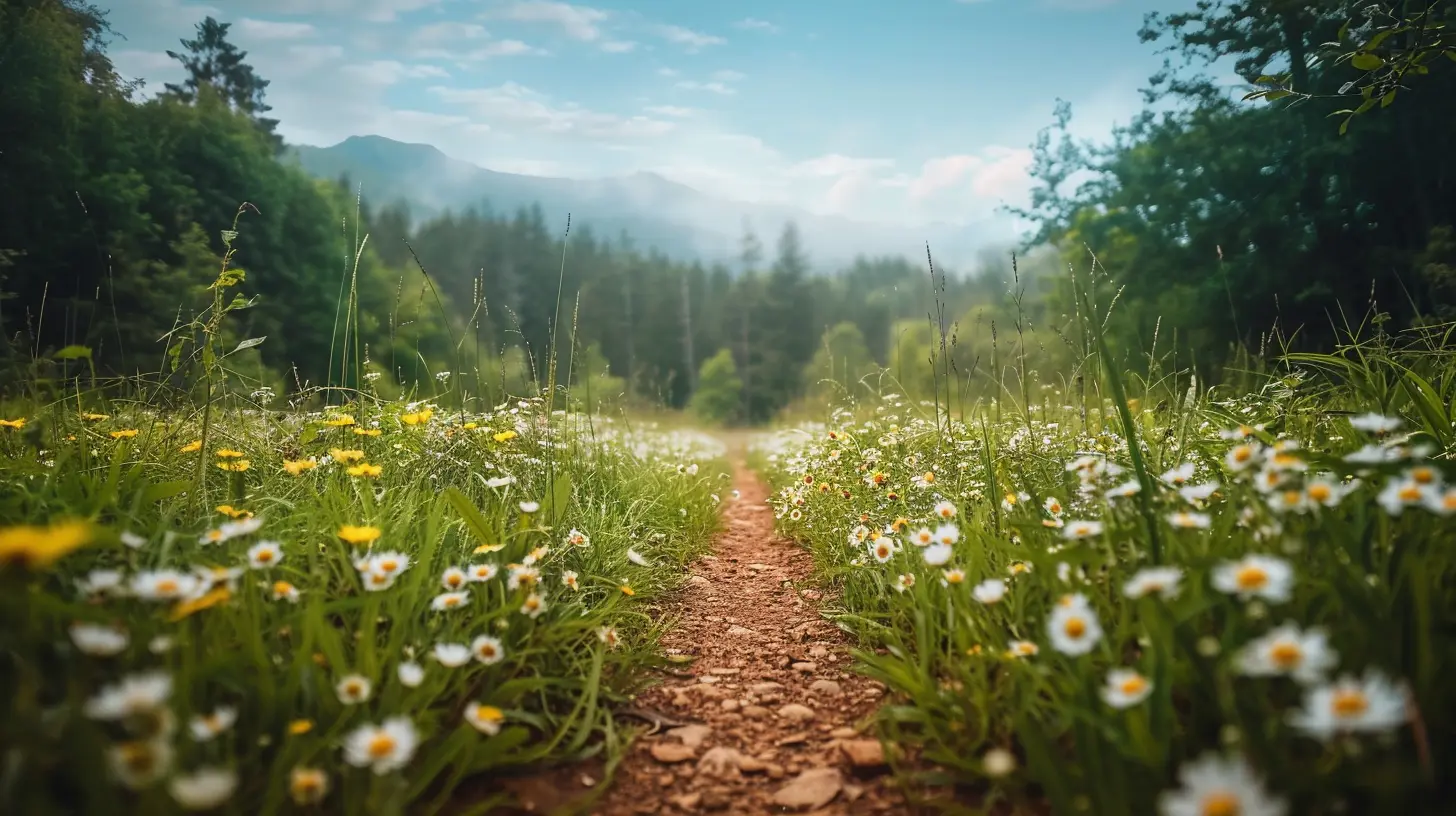
The Science Behind Nature Therapy
Let’s get nerdy for a second. Several studies have shown that spending time in natural environments can lower levels of cortisol — the primary stress hormone. Researchers have found that walking through a forest or sitting in a park for even just 20 minutes can measurably reduce stress.A landmark study from Japan introduced the world to Shinrin-yoku, or “forest bathing.” Participants who spent time in forested areas had lower heart rates, reduced blood pressure, and improved mood compared to those in urban settings.
Another study by the University of Michigan revealed that interacting with nature not only decreases stress but also boosts memory and attention span by up to 20%. So, yeah — nature isn’t just pretty, it’s medicinal.
How Nature Therapy Reduces Stress
Alright, let’s break down exactly how stepping outside can help you chill:1. Calms the Mind
Nature has a rhythmic, soothing quality. Think about the sound of waves crashing, leaves rustling, or a gentle breeze on your face. These natural “white noises” help quiet mental chatter and promote a meditative state.2. Resets the Nervous System
Our autonomic nervous system has two parts: the sympathetic (fight or flight) and the parasympathetic (rest and digest). Most of us live in sympathetic overdrive. Nature nudges us back into the parasympathetic mode — helping our bodies relax, heal, and reset.3. Increases Feel-Good Chemicals
Exposure to sunlight boosts your serotonin levels — the brain’s natural happy chemical. Plus, being outdoors often means physical activity, which releases endorphins and dopamine. That’s a powerful cocktail for mood improvement.4. Promotes Mindfulness
When you're outside, you're more likely to be present. Watching birds fly, feeling the dirt under your shoes, or smelling fresh rain — these sensory experiences ground you in the here and now, pulling you away from swirling thoughts of the past or future.5. Encourages Social Interaction
Group hikes, gardening clubs, or simply walking your dog in the park can increase chances of meaningful social connection. And we know that strong social ties are one of the biggest buffers against stress and mental decline.How Much Nature Do You Actually Need?
This is one of the best parts: you don’t have to become a mountain-dwelling hermit to get the benefits.According to research, just 120 minutes per week in nature — that's about 17 minutes a day — can significantly boost well-being. It doesn't even have to be all at once. Walks in a local park, lunch breaks under a tree, or weekend strolls near a river all count.
Can’t Get to a Forest? No Problem.
Not everyone lives near national parks or scenic trails, and that’s okay. Urban nature can be just as beneficial. Here's what you can try:- Sit near a fountain or pond
- Do yoga in your backyard
- Plant a few herbs on your balcony
- Take walking meetings in a nearby green area
- Decorate your home or office with plants
Even looking at pictures of nature can offer a small dose of relief. Seriously — your brain responds positively to lush green visuals.
Nature Therapy Activities to Try
Looking to give nature therapy a shot? Here are a few easy and enjoyable ways to start:1. Go Forest Bathing
No, you’re not taking a bath in the woods. Forest bathing simply means walking slowly in a natural area, being mindful of your surroundings. No phone, no distractions — just you and the forest.2. Try Nature Journaling
Bring a notebook, sit beneath a tree, and jot down what you see, hear, and feel. Journaling enhances your connection with the environment while encouraging introspection.3. Practice Outdoor Meditation
Find a peaceful spot — could be a hilltop or a quiet patch of grass — and meditate. Focus on your breath, the sounds around you, or the warmth of the sun on your skin.4. Go Barefoot
This might sound a bit woo-woo, but “earthing” or “grounding” (walking barefoot on natural ground) is believed by some to reduce inflammation and promote a sense of calm. Plus, it's just kinda fun.5. Take Nature Photos
Not only does this encourage you to observe the world around you more closely, but it also lets you reflect on those peaceful moments later.
The Long-Term Impact of Nature Therapy
Nature therapy isn’t a one-time fix. Like exercise or sleep, its benefits compound over time. Regular exposure to natural environments has been associated with:- Lower risk of anxiety and depression
- Improved immune function
- Better sleep
- Increased creativity
- Higher life satisfaction
It's like a long-term investment in your well-being, and the returns are enormous.
Tips to Make Nature Therapy a Habit
Changing routines can be tough, especially when life’s already hectic. But incorporating nature into your daily life might be easier than you think:- Schedule a "green time" break during lunch
- Walk or bike instead of drive when possible
- Swap one indoor workout per week with an outdoor activity
- Start a small garden, even if it’s just a potted plant
- Plan weekend adventures in local parks
Make it something to look forward to, not a chore.
Nature Therapy for Kids and Teens
Kids today are growing up with screens practically glued to their hands. And while tech has its place, nature offers something irreplaceable.Nature play improves attention span, emotional regulation, and creativity. It fosters independence and resilience. Even a quick tree-climbing session or an hour digging in the dirt can do wonders. So, if you’ve got little ones, take them with you next time you head outside — they might thank you later.
Nature Isn’t a Cure-All, But It Helps
Let’s be real: nature therapy won’t solve everything. If you’re dealing with severe anxiety, depression, or chronic stress, professional help is essential. But pairing therapy or medication with regular outdoor time? That’s a powerful combo.Nature therapy is more of a gentle nudge than a magic bullet. But sometimes, gentle nudges are all we need to find our way back to balance.
Final Thoughts
We spend so much time trying to escape from life's chaos — through apps, TV, snacks, or mindless scrolling. But maybe the best escape isn’t really an escape at all — maybe it’s a return. A return to something simple, grounding, and beautifully human.Nature therapy reminds us to slow down, breathe deeply, and listen to the wind rustling through the trees. It helps us step away from the noise of life and into something timeless. And in a world that never stops buzzing, that quiet is priceless.
So next time stress creeps in? Go outside. Your mind, body, and soul will thank you.
all images in this post were generated using AI tools
Category:
Stress ManagementAuthor:

Eliana Burton
Discussion
rate this article
2 comments
Dahlia McFarlin
Thank you for this insightful article! I’ve always felt a difference when spending time outdoors, and your research highlights why nature is so healing.
April 4, 2026 at 12:19 AM
Eliana Burton
I'm glad you found it insightful! Nature truly has a unique way of healing and refreshing us.
Sienna Harper
Embracing nature's beauty can be a powerful antidote to stress. Just a few moments outside can rejuvenate our minds and uplift our spirits—let's make time for the great outdoors!
March 29, 2026 at 5:30 AM
Eliana Burton
Absolutely! Taking time in nature is essential for our well-being. It's amazing how a little fresh air can refresh our minds and elevate our mood. Let's prioritize those outdoor moments!