Mental Health in the Workplace: What's Changing in 2026
22 April 2026
In today's fast-paced world, mental health in the workplace has become a hot topic. Companies are beginning to realize that a happy employee is a productive employee. As we look ahead to 2026, what changes can we expect in this crucial area? Let’s dive into the evolving landscape of workplace mental health and what it means for both employers and employees.
The Current State of Mental Health in the Workplace
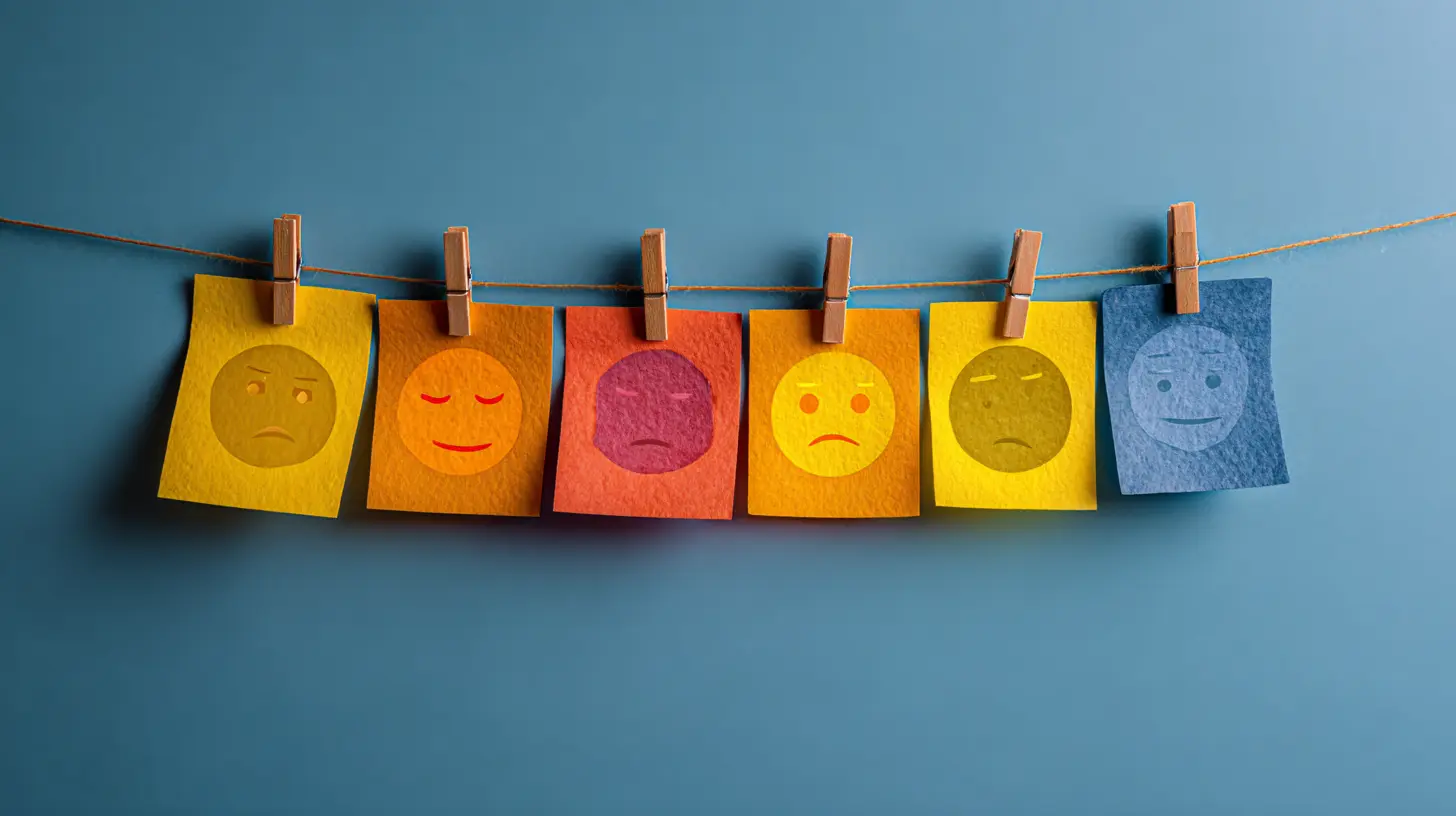
Before we jump into the future, let’s take a moment to reflect on where we currently stand. Mental health issues are more prevalent than ever. According to recent statistics, around 1 in 5 adults experience mental illness each year. This staggering figure is enough to make any employer sit up and take notice.Companies are increasingly acknowledging that mental health impacts job performance, employee retention, and overall workplace culture. Yet, many still struggle to implement effective strategies to support their employees. So, what’s changing?

Shifting Attitudes Towards Mental Health
The Stigma is Fading
One of the most significant changes on the horizon is the gradual fading of the stigma associated with mental health. Remember the days when discussing mental health was akin to talking about a taboo subject? Well, those days are slowly but surely behind us. More people are speaking out about their mental health struggles, and workplaces are starting to recognize the importance of these conversations.Embracing Vulnerability
In 2026, we can expect a culture that embraces vulnerability. Leaders will be encouraged to share their own mental health journeys, fostering an environment where employees feel safe to do the same. This vulnerability is not a weakness; it’s a strength that can lead to deeper connections and a more supportive workplace. Imagine a workplace where everyone feels comfortable expressing their feelings! How much more productive and engaged would we all be?
The Role of Technology in Mental Health Support
Digital Mental Health Tools
As we move forward, technology will play a pivotal role in mental health support. By 2026, we will likely see an explosion of digital mental health tools designed to support employees. From mental health apps to virtual therapy sessions, companies will offer a range of resources to help employees manage their mental well-being.Imagine being able to book a therapy session with the click of a button, or tracking your mood with an app that provides tailored coping strategies. This level of accessibility will empower employees to take charge of their mental health, reducing the burden on traditional support systems.
AI and Mental Health
Artificial Intelligence (AI) is another game-changer. By 2026, AI-driven platforms will become commonplace in workplaces, offering personalized mental health resources based on employee data. This means that mental health support will be more tailored and effective than ever. Think of it like having a personal trainer for your mind—always there to help you navigate the ups and downs of daily life.
Flexible Work Environments
Remote Work and Mental Health
The pandemic taught us a lot about the importance of flexibility in the workplace. As we approach 2026, we can expect remote work options to remain a staple in many organizations. This flexibility allows employees to create a work-life balance that suits their needs, ultimately benefiting their mental health.Imagine being able to work from a cozy café or your own home, where you feel most comfortable. This kind of flexibility can significantly reduce stress and foster a more positive work environment. Companies that embrace this change will likely see happier, more productive employees.
Hybrid Work Models
Hybrid work models—where employees split their time between home and the office—will become increasingly popular. This arrangement allows employees to enjoy the best of both worlds, providing the social interaction of an office while still offering the comfort of home.The Importance of Breaks
In 2026, we’ll also see a shift in how breaks are perceived. Gone are the days when taking a break was seen as a sign of laziness. Instead, companies will promote regular breaks as essential for maintaining mental health. Picture this: a workplace where taking a 10-minute walk or engaging in a quick mindfulness exercise is encouraged. This shift will not only improve mental well-being but also enhance overall productivity.Comprehensive Mental Health Policies
Creating a Mental Health Framework
As awareness grows, companies will be compelled to develop comprehensive mental health policies. By 2026, we can expect these policies to be more than just a checkbox on a to-do list. They will be integral to the company culture, outlining clear procedures for seeking help, accessing resources, and supporting colleagues.Imagine a workplace where mental health days are as accepted as sick days. This kind of policy change will help normalize mental health discussions and encourage employees to prioritize their well-being without fear of judgment.
Training for Managers
Another significant change will be the emphasis on training for managers. In 2026, we can expect companies to invest in mental health training for leaders, equipping them with the skills to recognize signs of mental distress and support their teams effectively.Think about it: a manager who understands mental health can make a world of difference. They can create a safe space for employees to talk about their struggles, fostering a culture of empathy and support.
Employee Assistance Programs (EAPs)
Expansion of EAPs
Employee Assistance Programs (EAPs) will undergo a transformation by 2026. These programs, which provide confidential support for employees dealing with personal or work-related issues, will expand to include a wider range of services.Imagine having access to not just counseling, but also wellness workshops, stress management resources, and even financial advice—all under one roof. This holistic approach to employee well-being will empower individuals to address various aspects of their lives, leading to a healthier workforce overall.
Peer Support Programs
Peer support programs will also gain traction. By 2026, we can expect more organizations to implement systems where employees can support each other. This not only fosters community but also allows employees to share experiences and coping strategies, creating a sense of belonging in the workplace.The Importance of Inclusivity
Mental Health for All
Inclusivity will be a cornerstone of workplace mental health initiatives by 2026. Employers will recognize that mental health issues don’t discriminate; they can affect anyone, regardless of background or job title.Imagine a workplace where mental health resources are available to everyone, with programs specifically designed to address the unique challenges faced by diverse groups. This level of inclusivity will not only improve employee well-being but also enhance overall workplace morale.
Addressing Marginalized Communities
In particular, organizations will focus on addressing the mental health needs of marginalized communities. By 2026, we can expect more tailored programs that recognize the unique stressors faced by these groups, ultimately leading to a more equitable workplace.
The Future of Workplace Culture
A Shift Towards Well-Being
As we look ahead, the future of workplace culture will revolve around well-being. Companies will prioritize mental health as a fundamental aspect of their culture, recognizing that it’s not just about productivity but also about creating a supportive environment where employees can thrive.Imagine walking into an office where mental health is openly discussed, and resources are readily available. That’s the kind of workplace we can expect in 2026—a place where employees feel valued and supported.
Building Resilience
Finally, organizations will focus on building resilience among employees. By 2026, we can expect companies to offer training and resources that help employees develop coping strategies and resilience in the face of challenges.Think of it like a mental health gym—just as we work on our physical fitness, we’ll also be working on our mental fitness. This proactive approach will lead to a more resilient workforce, ready to tackle whatever comes their way.
Conclusion
As we approach 2026, the landscape of mental health in the workplace is set to undergo significant changes. From a fading stigma to the rise of technology and comprehensive support systems, we’re moving toward a future where mental health is prioritized and valued.By embracing these changes, both employers and employees can create a healthier, more supportive work environment. Let’s work together to foster a culture that values mental well-being—because a happy mind is the foundation for a thriving workplace.
all images in this post were generated using AI tools
Category:
Mental WellbeingAuthor:

Eliana Burton
Discussion
rate this article
2 comments
Tala Kim
Excited to see how workplaces evolve! Mental health is the new cool kid on the block!
July 12, 2026 at 3:24 AM
Eliana Burton
Absolutely! It's encouraging to see mental health gaining the attention it deserves in workplaces. Change is on the horizon!
Cara Griffin
As we edge closer to 2026, the landscape of mental health in the workplace is poised for transformation. What hidden factors are driving these changes? Are we prepared for the unseen consequences? The future beckons, and the answers may surprise us all.
April 27, 2026 at 3:24 AM
Eliana Burton
You're right, the changes ahead could be significant. Factors like remote work dynamics, increased awareness, and evolving societal expectations will play crucial roles. We need to stay proactive in addressing potential challenges.