Mental Health and Aging: Navigating the Emotional Challenges of Growing Older
28 June 2026
Aging is one of those life journeys that's equal parts blessing and challenge. We gain wisdom, memories, and hopefully a bit of peace along the way. But let’s be real — growing older isn’t always a smooth ride. Mental health becomes just as important (if not more so) as physical health in our later years. Yet, it's often the last thing we talk about.
In this article, we’re diving into the emotional side of aging — the good, the tough, and everything in between. Whether you're older yourself, caring for aging parents, or just someone trying to understand this chapter of life, you’re in the right place. Grab your favorite drink, get comfy, and let’s talk mental health and aging.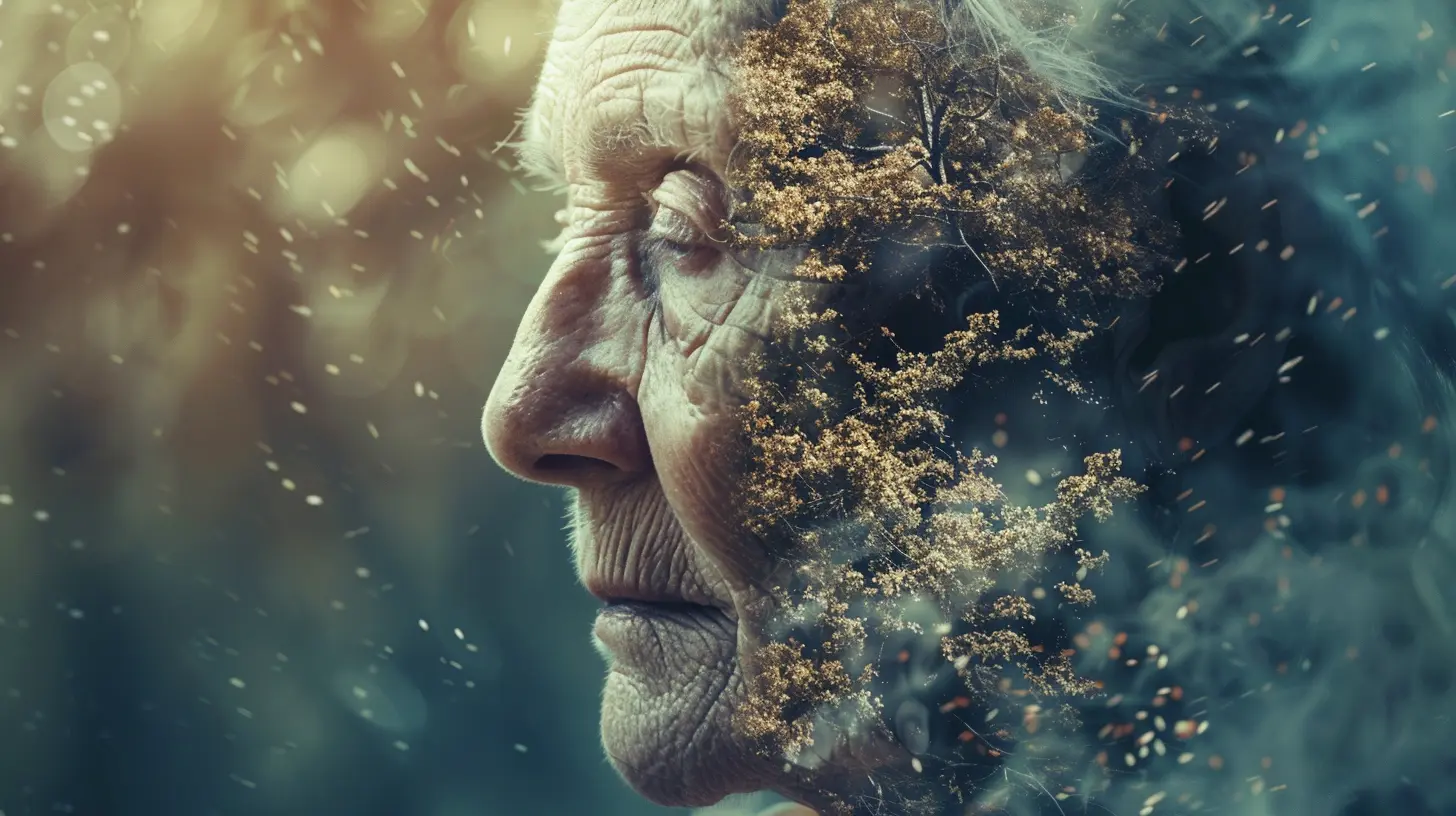
Why Mental Health Matters More As We Age
Let’s kick things off with the obvious but often overlooked truth — aging affects our mental health. Not just in a “you might forget where you left your keys” kind of way, but in how we feel about ourselves, our lives, and our relationships.As we get older, we face a mix of life transitions: retirement, the loss of loved ones, physical limitations, and shifting roles in our families and society. It’s a lot. And while some of us adapt with grace, others struggle silently.
Mental health doesn’t retire at 65 — in fact, for many people, that’s when it needs the most attention.
Common Mental Health Challenges in Older Adults
1. Depression: Not Just “Feeling Down”
Depression in older adults is more common than people might think. And no, it's not just being grumpy or “feeling sad.” It’s deeper — a persistent feeling of emptiness, hopelessness, or disinterest in things once enjoyed.The tricky part? It often gets brushed off as a “normal” part of aging.
Let’s be clear — depression isn’t a natural part of getting older. It’s a real issue and deserves real help.
Signs to look for include:
- Withdrawal from social activities
- Loss of appetite or sleep changes
- Fatigue or low energy
- Trouble concentrating
- Feelings of worthlessness
If any of these sound familiar (for yourself or a loved one), it’s worth talking to a mental health professional.
2. Anxiety: When Worry Takes Over
Imagine waking up every morning with a tight chest and a brain full of “what-ifs.” That’s anxiety — and it doesn’t magically go away with age. In fact, it can get worse due to health concerns, money worries, or changes in routine.Older adults may become afraid to leave the house, obsess over their health, or worry intensely about their family. And again, many won’t speak up because they think it’s “just part of getting older.”
Spoiler alert: it’s not.
Therapy, medication, or even lifestyle changes like regular exercise and social interaction can make a world of difference.
3. Loneliness and Isolation: The Silent Struggles
Here's something most people won't say out loud — aging can be really lonely.Friends move away. Loved ones pass on. Our social circles start to shrink. It’s no surprise that loneliness becomes one of the biggest emotional challenges older adults face.
And loneliness isn’t just “feeling alone.” It’s that deep, aching sense of being unseen, unheard, and unneeded. It can lead to depression, physical health issues, and even cognitive decline.
The good news? You’re not helpless here. Simple changes — like volunteering, joining local clubs, or even learning to use video calls — can break the isolation cycle.
4. Cognitive Decline and Emotional Impact
As we age, we’re more likely to notice little memory slips or slower thought processes. That's natural — brains age, just like bodies do.But when forgetfulness starts to feel more like confusion or disorientation, it might be more than just “senior moments.” Conditions like dementia and Alzheimer's can creep in, bringing a whole new storm of mental and emotional challenges.
For the person going through it, it can be terrifying. For caregivers and loved ones, it's heartbreaking.
Having honest conversations, creating safe environments, and seeking early intervention can make a huge difference. And remember — you’re not alone on this road.
Why Emotional Resilience Matters As You Age
Ever heard the saying “You can’t control the wind, but you can adjust your sails”? That’s what emotional resilience is all about — learning to ride the waves of change instead of fighting them.Older adults who build resilience are better at coping with loss, illness, and the curveballs life throws their way. It’s not about pretending everything is great. It’s about bouncing back when things aren’t.
Here’s the truth: resilience isn’t something you’re born with. It’s built — one experience, one attitude shift, one small decision at a time.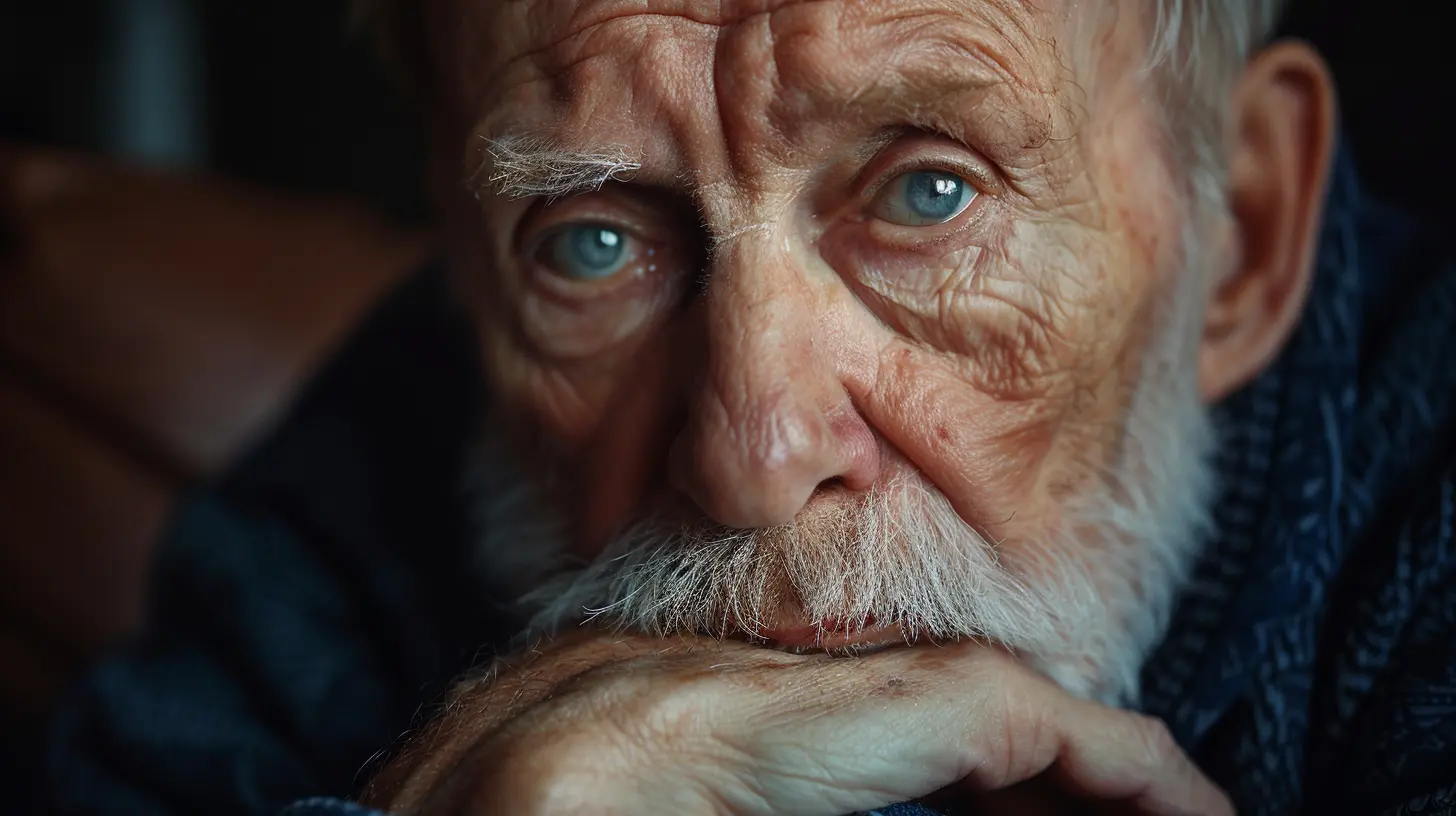
Boosting Mental Well-Being in Your Later Years
Now for the uplifting part — let’s talk solutions. There’s so much you can do to keep your mind healthy and your spirits high as you age. It doesn’t have to be complicated either.1. Stay Socially Connected
Remember when you were younger and your calendar was full of people to see and things to do? That shouldn't have to end with age.- Call or text family regularly
- Join a club, church group, or senior center
- Get on social media (yes, really — it’s not just for Gen Z!)
- Host weekly game or coffee nights
Human connection is like medicine for the soul. Don’t underestimate the power of a good laugh or a deep chat with someone who gets you.
2. Keep Learning
Your brain loves challenges. Keep feeding it.- Take an online course
- Learn a musical instrument
- Pick up a new hobby like painting or gardening
- Do puzzles and memory games
Mental stimulation keeps your mind sharp and your confidence high. Think of it as a workout — for your brain.
3. Move Your Body
Physical health and mental health? Total BFFs. Even a 20-minute walk can lift your mood and reduce anxiety.- Stretch in the morning
- Try yoga or tai chi
- Go dancing (even if it’s just in your living room)
- Take nature walks
Exercise releases those feel-good chemicals in your brain — and who doesn’t want a free mood boost?
4. Talk It Out
Therapy isn't just for young people. And no, you don’t have to lay on a couch while someone scribbles notes.Talking to a therapist or counselor can help you make sense of your feelings, work through grief, and manage depression or anxiety. Sometimes, just saying things out loud is the first step toward healing.
Don't feel awkward about it. Mental strength starts with mental self-care.
5. Practice Mindfulness and Gratitude
Let’s slow it down a bit. You know that mental chatter about the past or worries about the future? Mindfulness helps you hush that noise and focus on the now.- Try guided meditations (tons of free apps out there)
- Take deep breaths throughout the day
- Start a gratitude journal
Every day, jot down three things you’re grateful for. They don’t have to be grand. Even “warm toast” or “sunlight through the window” counts. Over time, this simple shift changes your brain and your outlook.
Aging Gracefully Means Caring for Your Mind, Too
Here’s the deal: aging isn't just a number — it's an experience, an emotional journey that shifts how we see ourselves and the world.It’s okay to have bad days. It’s okay to miss the past or feel anxious about the future. But it’s also okay to thrive, to laugh easily, and to feel deeply connected to the moments you're in.
Taking care of your mental health doesn’t make you weak — it makes you wise.
So whether you’re embracing retirement, dealing with loss, or just trying to live your best life in your 60s, 70s, 80s, and beyond — you’ve got this. And remember, you're never too old to heal, grow, or reach out for help.
Final Thoughts
Mental health and aging isn’t a topic we talk about enough — but we should. There's power in giving a voice to the struggles that come with growing older, and even more power in knowing you’re not alone.The emotional challenges of aging are real, but so are the tools and support systems that can help.
So, if you’re in this stage of life (or love someone who is), keep the conversation going. Check in on your feelings. Reach out. And hold space for the highs and lows — both matter.
Growing older might be inevitable, but suffering in silence isn’t.
all images in this post were generated using AI tools
Category:
Mental Health AwarenessAuthor:

Eliana Burton
Discussion
rate this article
1 comments
Jasmine Sullivan
This article highlights the often overlooked emotional challenges of aging. It's crucial to recognize that mental health plays a significant role in our later years. Understanding these changes can foster resilience and improve quality of life for older adults.
June 30, 2026 at 4:10 PM
Eliana Burton
Thank you for your insightful comment. I completely agree that recognizing emotional challenges is key to enhancing the well-being of older adults.