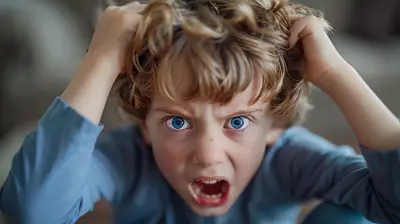
Men and Body Image: Breaking the Silence on an Overlooked Struggle
6 August 2026
Walk into any locker room, scroll through your social feed, or simply glance at a movie poster—images of chiseled abs, broad shoulders, and defined jawlines seem to shout: “This is what a real man looks like.” The less-discussed reality is that many men, regardless of age or background, are silently battling self-image issues. The world is finally beginning to whisper about it, but it's time we raised our voices.
This is more than a conversation; it’s a reckoning. Let’s dive deep into the emotional oceans that so many men wade through every day—quietly, and often, painfully alone.
The Mask of Masculinity: Why Men Stay Silent
For generations, boys have been taught that real strength means staying quiet, especially when it comes to pain. Emotional discomfort is seen as weakness, and talking about body image? Well, that's practically taboo.Remember those childhood playgrounds? The casual jabs about being too skinny, too fat, too short? They seemed harmless then, even funny. But they leave bruises that can linger well into adulthood—bruises that never quite fade. Men internalize these messages: "You must be tall, muscular, and lean to be desirable." Anything outside of that narrow mold? It's seen as failure.
But why don't we talk about it more?
Simple. Shame.
There’s this unwritten rule stitched into the fabric of masculinity: Don’t complain. Don’t reveal vulnerability. And never, ever confess you're struggling with how you see your own body. This silence doesn’t just hurt—it isolates.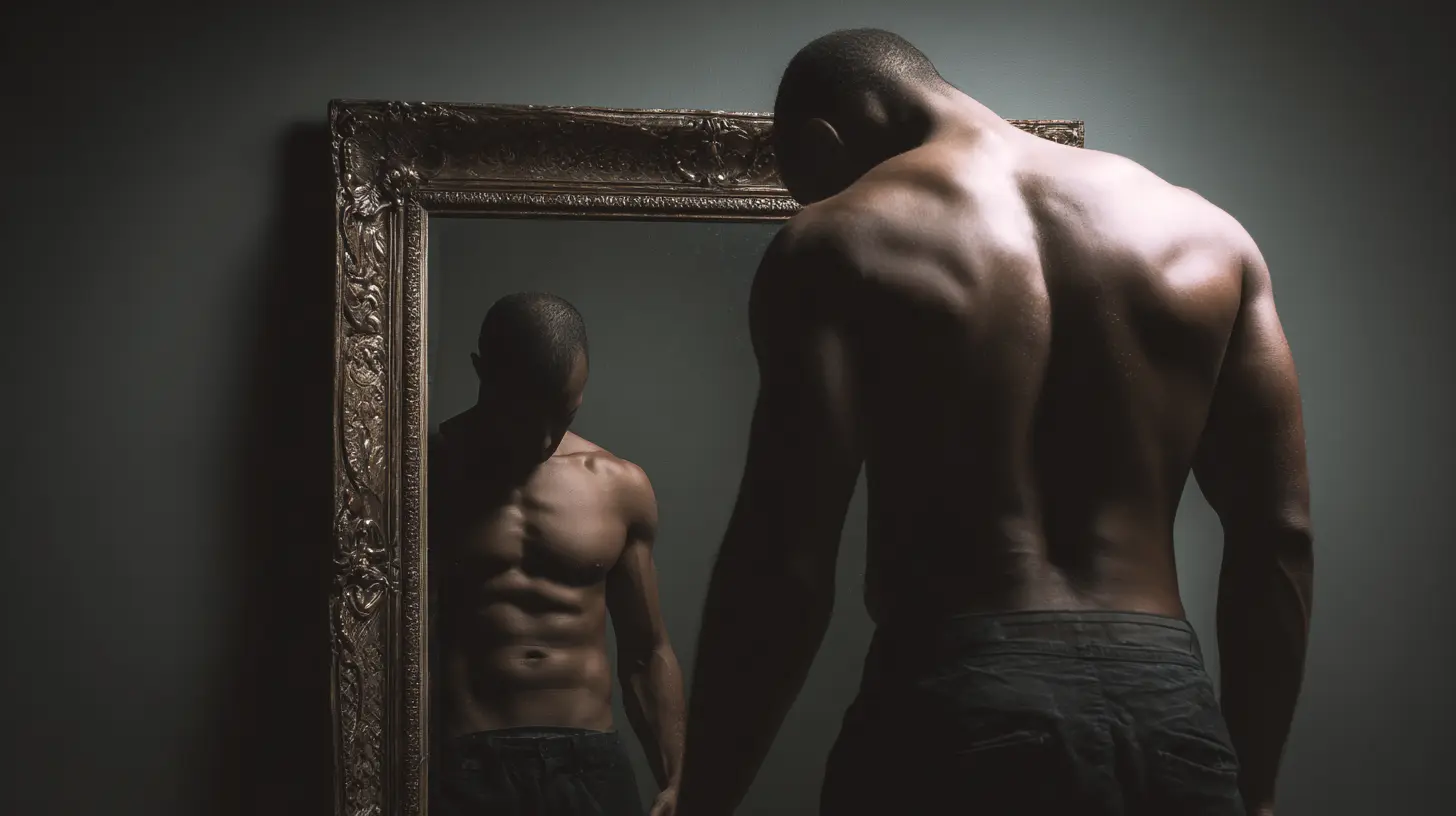
The Silent Epidemic: Body Dissatisfaction in Men
Here's the kicker: Body image issues are not just a “women’s problem.”Studies show that up to 40% of men report dissatisfaction with their bodies. And these are just the ones who admit it. The real numbers? Probably much higher.
Men grapple with a mix of concerns. Some fight an uphill battle with weight. Others strive for muscularity, obsessed with size and definition. There’s even a growing fear of being "too scrawny". The anxiety isn’t just skin-deep—it sinks into self-worth, dating confidence, and even professional performance.
And let's not forget the mental health impact. Body image issues are linked with depression, anxiety, eating disorders, and poor self-esteem. Yet, because the narrative tells men to be "tough", they often suffer in silence, without seeking help.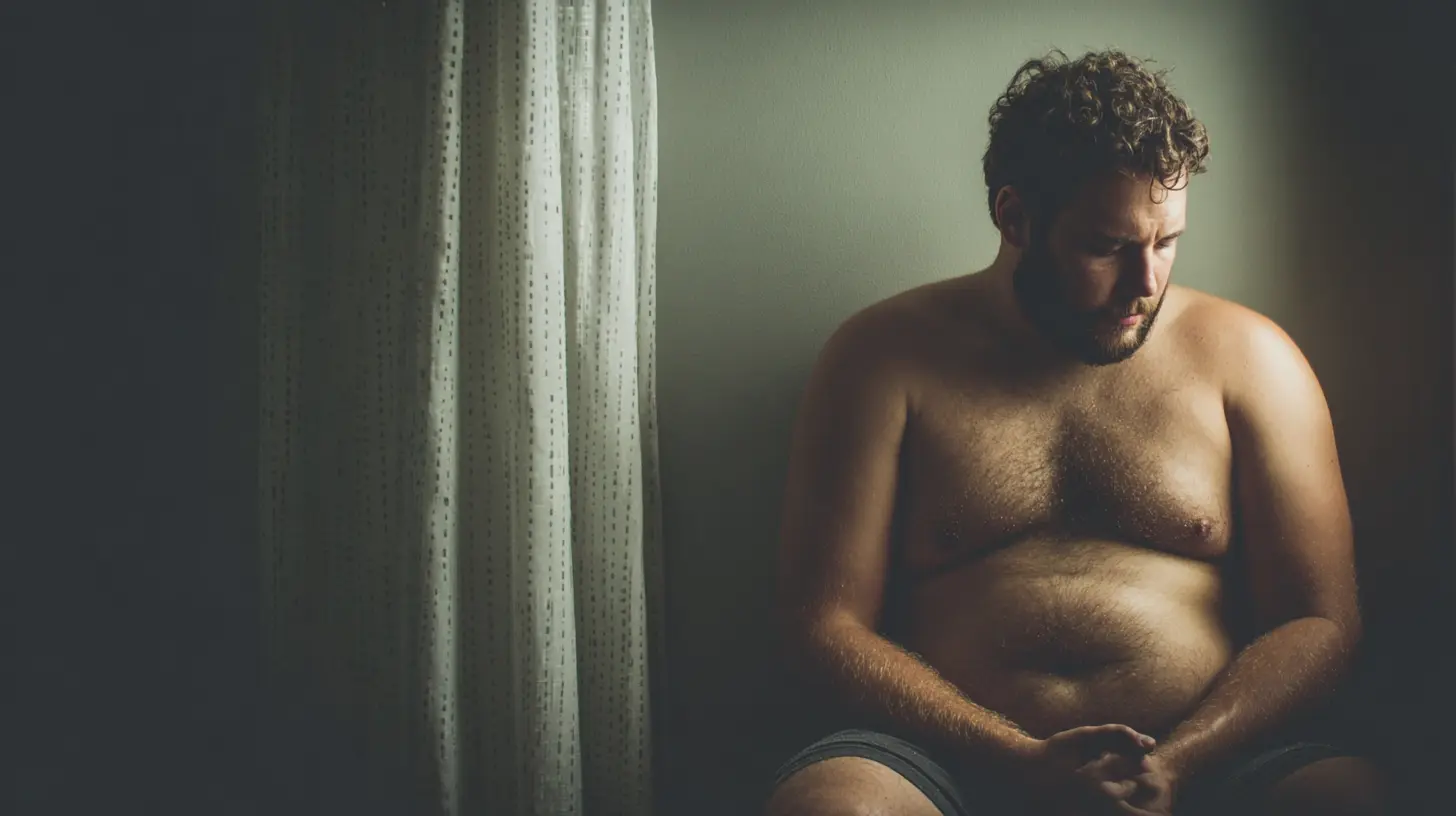
Cultural Pressures: The Media’s Muscle-Bound Message
Ever noticed how male superheroes always look like they’ve lived in a gym since birth?From Captain America to Aquaman, modern media consistently portrays the “ideal” man as hyper-muscular, tall, and conventionally handsome. These aren't just characters—they’re benchmarks.
Commercials hammer the point home too. The guy with the perfect beard and six-pack is always the one getting the girl, the job, the life. It's no wonder many men constantly measure themselves against this unrelenting standard—and unsurprisingly, fall short.
Social media? It’s a highlight reel of fitness influencers, shirtless selfies, and #bodygoals. Filters, angles, and lighting tricks are part of the game, but the average viewer doesn’t always see the smoke and mirrors. The result? Unrealistic expectations, constant comparison, and a feeling of never being enough.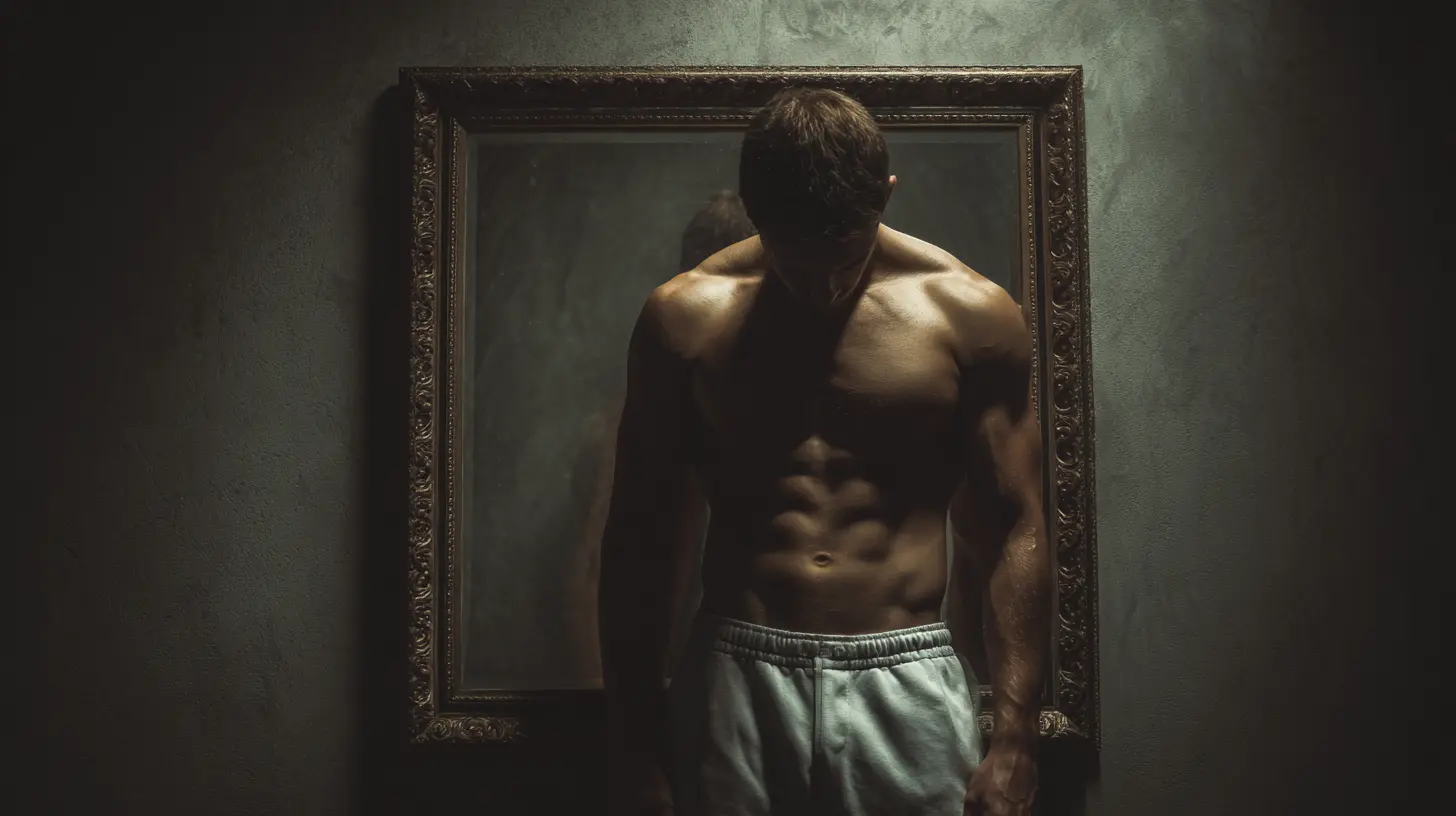
Gym Culture and the Toxic Pursuit of Perfection
Let’s talk about the gym—supposed sanctuary, but for many men, a pressure cooker in disguise.Sure, exercise is great for both body and mind. But when the quest for physical health turns into an obsession with appearance, things can get tricky.
Welcome to the world of muscle dysmorphia, also known as “bigorexia.” Yes, it’s real. It’s a condition where guys who are already muscular see themselves as small or weak. It’s the flip side of anorexia, and it’s gaining ground fast among young men.
The worst part? It’s often encouraged by gym culture. The more you lift, the more praise you get. It becomes a cycle—lift, measure, compare, repeat. Instead of feeling empowered, many feel trapped in an endless pursuit of size, perfection, and validation.
The Role of Childhood and Early Messages
Think back to adolescence—those awkward, self-conscious years. For many boys, this is where the body image journey begins.Puberty hits and suddenly, you're expected to "bulk up" and man up. Maybe you were the skinny kid, the one picked last in gym class. Or maybe you were the chubby one, trying to blend into the background. Either way, people talked. Teachers, parents, peers—everyone had something to say about your body. Not always cruel, but rarely helpful.
Those early remarks take root. They shape how we see ourselves long before we ever see our first mirror. And unless they're challenged, they keep growing—into adulthood, relationships, and even fatherhood.
The Hidden Costs: Relationships, Careers, and Mental Health
Body image doesn't stay locked in the bathroom mirror—it bleeds into every part of life.In relationships, it leads to insecurity. You might avoid taking your shirt off, shy away from intimacy, or feel you’re not “man enough” for a partner. That silent battle creates distance, tension, and a lack of connection.
At work, it affects confidence. Maybe you feel overlooked, not just because of skills, but because of how you look. In industries that value appearances—like fitness, hospitality, or media—it’s even worse.
And let’s not forget the internal cost. The mental spiral that starts with a glance at your reflection and ends with a feeling of worthlessness. It’s exhausting. It’s lonely. And it’s real.
Social Media: Fueling the Fire or Changing the Game?
Social media gets a bad rap—and it deserves it. But it’s also a tool. Used wisely, it can be a platform for change.Yes, it’s filled with unrealistic body standards. But there’s a growing shift. More men are starting to speak out. Influencers are sharing unedited photos, mental health journeys, and raw, vulnerable truths. Hashtags like #mentalhealthformen and #bodypositivityformen are gaining traction.
It’s not perfect, but it’s a start. The more diverse body types we see—the ‘dad bods’, the lean frames, the average builds—the more room there is for acceptance.
Healing Through Conversations: Why Talking Matters
Want to know the most powerful thing we can do?Talk.
Seriously. Just having honest conversations about body image can be transformative. When a man opens up about his struggles, it gives permission for others to do the same.
So talk to a friend. Share your insecurities with your partner. If you’re a parent, tell your son it’s okay to feel vulnerable. Let’s normalize not just the dialogue—but the discomfort that comes with it. That’s where growth lives.
Therapy? It’s not weakness—it’s liberation. Group programs, support circles, and even online communities can offer connection and coping tools. Healing doesn’t happen in silence. It happens in shared stories.
Redefining Male Beauty: It’s Time for a New Standard
Here’s a radical idea: What if we widened the definition of male beauty to include real stuff?Like kindness. Emotional intelligence. Humor. Presence. What if we celebrated scars, stretch marks, bald heads, beer bellies, and all the so-called imperfections that tell the story of who we are?
It’s not about rejecting fitness or wellness. It’s about detaching self-worth from appearance. Working out is great. Chasing health is noble. But hating yourself into transformation? That’s toxic.
We’re not here to fit into molds. We’re here to break them.
Practical Steps to Improve Male Body Image
So, where do we go from here?Look, changing the narrative doesn’t happen overnight. But small steps matter. Here’s how to start:
- Filter your feed – Follow accounts that inspire without shaming.
- Challenge your thoughts – Ask yourself: “Would I say this about a friend?”
- Focus on function, not form – Celebrate what your body can do, not just how it looks.
- Practice gratitude – Acknowledge the everyday miracles your body performs.
- Start honest convos – One open discussion can create a ripple of change.
- Seek support – Therapy, support groups, or helplines can be life-changing.
The goal isn’t perfection. It’s peace.
Final Thoughts: Embrace the Man in the Mirror
Let’s be clear—there’s no shame in struggling with body image. What’s shameful is the culture that tells men to suffer in silence.You don’t need six-pack abs to be strong. You don’t need a superhero physique to be lovable. You’re allowed to have insecurities, to question, to feel. That’s not weakness—that’s humanity.
So to every man reading this: You are more than your body. You are your laughter, your dreams, your resilience, your scars. You are enough.
And maybe, just maybe, it’s time to look in the mirror and say: “I see you. I accept you. I love you.”
Because healing begins there.
all images in this post were generated using AI tools
Category:
Body ImageAuthor:

Eliana Burton
Discussion
rate this article
1 comments
Eliana McTigue
This article sheds light on an important and often hidden aspect of men's mental health. Body image struggles can be incredibly isolating, and it's vital to encourage open conversations. Thank you for addressing this issue and helping men feel seen and understood in their experiences. Every voice matters in this journey.
August 10, 2026 at 3:21 AM
Eliana Burton
Thank you for your thoughtful comment. I'm glad the article resonated with you. It's crucial to keep the conversation going and support each other. Every voice truly does matter.