How to Cultivate a Healthy Relationship with Food and Body Image
7 February 2026
Having a healthy relationship with food and body image is one of the most important aspects of our overall well-being. However, in today's society, where diet culture and unrealistic beauty standards are constantly thrown at us, it can feel like an uphill battle.
But here's the truth: You are more than your body, and food is not the enemy. It's time to shift away from guilt, shame, and restriction and instead embrace a balanced, nourishing, and compassionate approach to eating and self-image.
So, how can you truly cultivate a healthy relationship with food and your body? Let’s dive in.

Understanding Your Relationship with Food
Before making any changes, it’s essential to take a step back and assess your current relationship with food.- Do you categorize food as "good" or "bad"?
- Do you feel guilty after eating certain meals?
- Do you eat based on emotions rather than hunger?
- Do you find yourself constantly dieting or restricting food?
If you answered yes to any of these, it’s a clear sign that your relationship with food might need some healing. Many of us grow up believing certain foods should be avoided or that our bodies have to look a certain way to be “acceptable.” This mindset can lead to a cycle of restriction, overeating, and guilt—none of which contribute to a healthy lifestyle.
1. Ditch the Diet Mentality
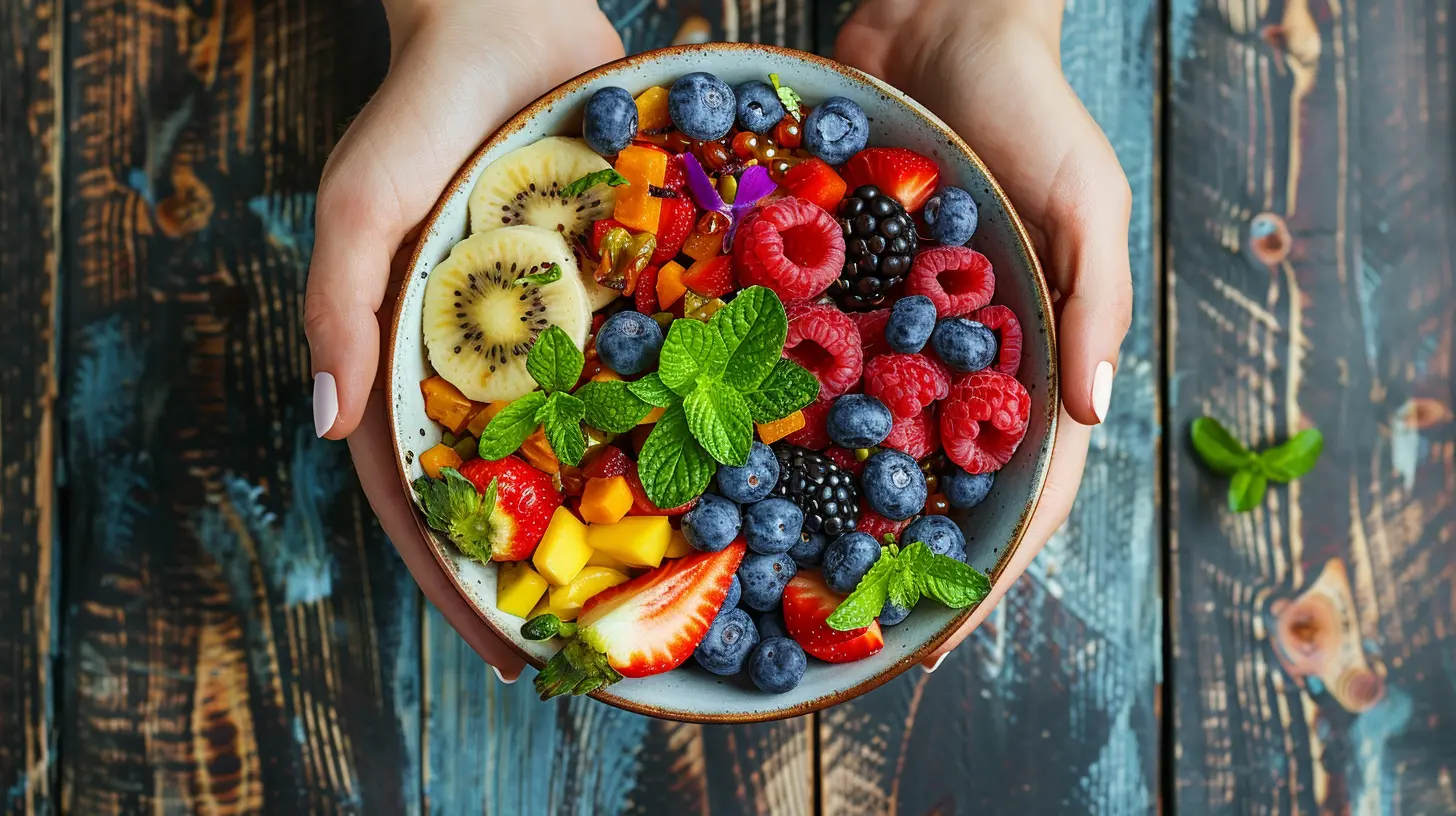
One of the first steps toward a healthier relationship with food is letting go of the dieting mindset.Diet culture thrives on the idea that we must constantly shrink ourselves in order to be worthy, but this couldn’t be further from the truth. Restrictive diets often lead to binge eating, frustration, and an endless cycle of guilt.
Instead of focusing on what you “can’t” eat, start thinking about how you can nourish your body in a way that feels good. Intuitive eating—a practice that encourages eating based on hunger, satiety, and satisfaction—can be a great place to start.
2. Stop Labeling Foods as “Good” or “Bad”
Food is just food. Period.Sure, some foods provide more nutrients than others, but labeling foods as “good” or “bad” only creates unnecessary guilt and anxiety. When you view food in a neutral way, you remove the emotional baggage that comes with eating.
Think about it—have you ever eaten a slice of cake and felt guilty afterward? That guilt does nothing but take away from the joy of the moment. Instead, practice mindful eating and remind yourself that balance is key.
3. Listen to Your Body's Hunger and Fullness Cues
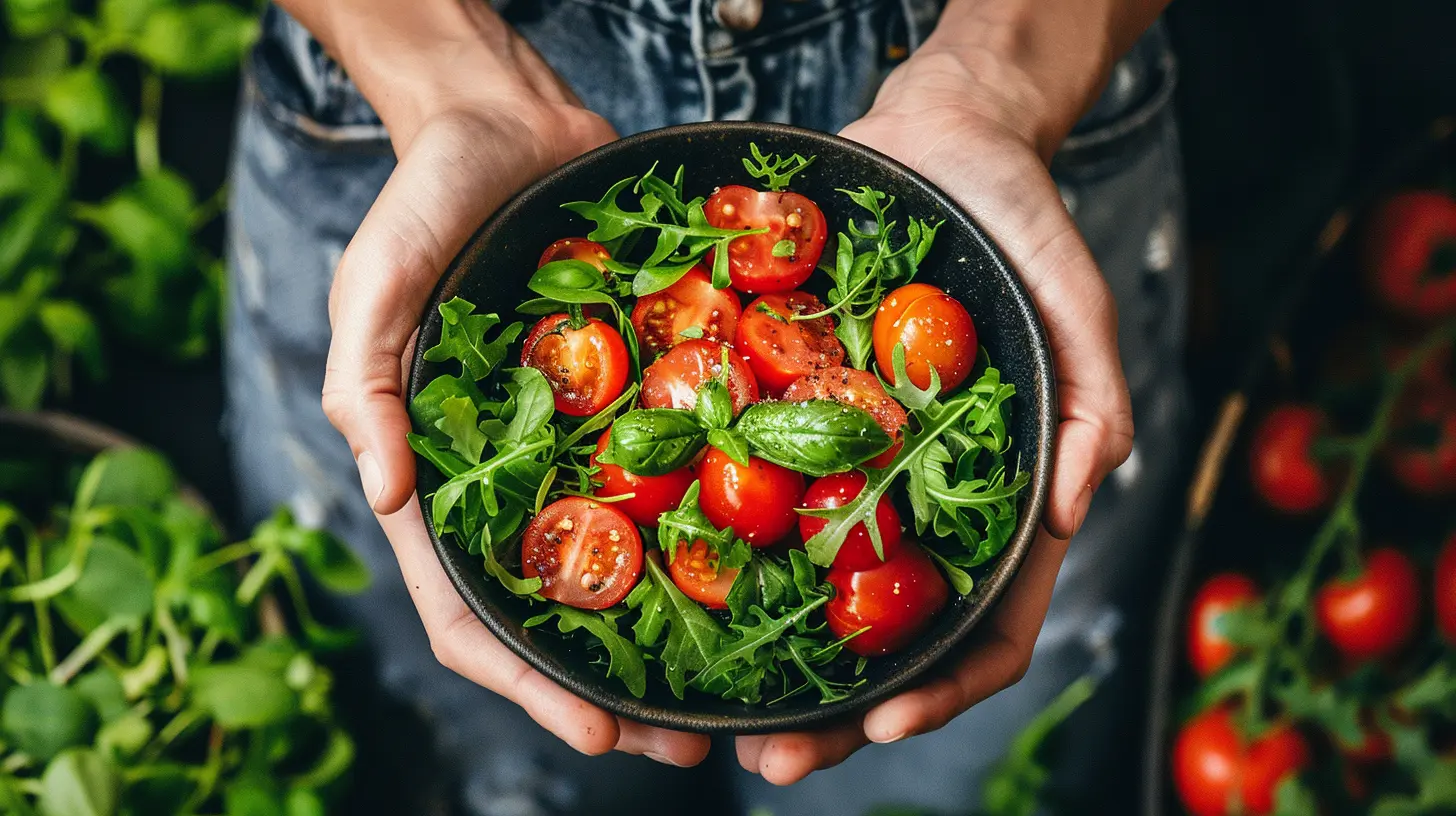
Your body is constantly communicating with you. It tells you when it’s hungry, when it’s full, and what it needs. The problem is that many of us ignore these signals due to years of diet culture influence.Start tuning in to your body's cues by:
- Eating when you’re hungry (not by the clock)
- Stopping when you’re full, rather than when your plate is empty
- Asking yourself what your body truly wants—sometimes it’s a salad, sometimes it’s a cookie, and that’s okay
4. Practice Mindful Eating
Mindful eating is all about being present and fully engaged with your food. Instead of rushing through meals, try to slow down and savor each bite.Here are some simple ways to practice mindful eating:
- Pay attention to flavors, textures, and aromas
- Eat without distractions (like scrolling on your phone or watching TV)
- Chew slowly and take deep breaths between bites
When you take the time to truly enjoy your food, you build a more positive and fulfilling relationship with it.
5. Stop Body Comparison
We live in a world where social media constantly bombards us with edited, filtered, and unrealistic body images. It’s easy to fall into the trap of comparison, but remember—your body is uniquely yours.Instead of criticizing your body for what it’s not, start appreciating it for all the incredible things it does for you. Your body allows you to move, feel, and experience life. That alone is worth celebrating.
Here’s a little challenge: Try looking in the mirror and saying three positive things about your body every day. It might feel awkward at first, but over time, it will become second nature.
6. Move for Joy, Not Punishment
Exercise should never feel like a punishment for what you ate. Instead of forcing yourself into grueling workout routines just to “burn calories,” focus on activities that bring you joy.- Dance in your living room
- Go for a walk in nature
- Do some yoga to unwind
- Try a new sport just for fun
When you shift your mindset from exercising to change your body to moving because it feels good, you create a much healthier relationship with both fitness and self-care.
7. Surround Yourself with Positivity
The people you follow online, the conversations you engage in, and the media you consume all play a role in shaping your self-image. If you're constantly exposing yourself to unrealistic beauty standards, it’s time to reevaluate what you're allowing into your life.- Unfollow social media accounts that make you feel insecure
- Follow body-positive influencers who promote self-love
- Limit conversations centered around diets and weight loss
The goal is to create an environment that supports self-acceptance rather than one that fuels insecurities.
8. Seek Support When Needed
Healing your relationship with food and body image can be a long journey, and it’s okay to seek support. Whether it’s a trusted friend, therapist, dietitian, or support group, having someone to talk to can make a world of difference.If you’re struggling with disordered eating or negative body image, professional help can guide you toward a healthier and more compassionate way of thinking. You don’t have to do this alone.
9. Practice Self-Compassion
At the end of the day, the most important thing you can do for yourself is to practice self-compassion. You are not defined by your weight, your diet, or your appearance. You are worthy of love, respect, and kindness—especially from yourself.Be patient with yourself. Some days will be easier than others, and that’s okay. What matters most is that you continue to show up for yourself with gentleness and care.
Final Thoughts
Cultivating a healthy relationship with food and body image isn’t about perfection—it’s about balance, self-awareness, and self-love. By ditching the diet mentality, listening to your body, practicing mindfulness, and surrounding yourself with positivity, you can create a more fulfilling and nourishing lifestyle.Remember, your body is your home. Treat it with kindness.
all images in this post were generated using AI tools
Category:
Body ImageAuthor:

Eliana Burton
Discussion
rate this article
2 comments
Will McNeil
This article beautifully highlights the importance of self-acceptance and mindful eating in fostering positive body image.
March 5, 2026 at 5:47 AM
Eliana Burton
Thank you for your thoughtful comment! I'm glad you found the article resonates with such important topics.
Enid Perez
This article offers invaluable insights into fostering a positive relationship with food and body image. Its emphasis on self-compassion and mindful eating is especially effective. By challenging societal norms and focusing on holistic well-being, readers are empowered to embrace a healthier, more balanced lifestyle. Highly recommended!
February 12, 2026 at 4:00 AM
Eliana Burton
Thank you for your thoughtful feedback! I'm glad you found the insights on self-compassion and mindful eating impactful. Your support means a lot!