How Music Therapy Can Help Alleviate Depression and Anxiety
8 December 2025
Have you ever had a song change your mood in an instant? Maybe you felt down, and suddenly, your favorite tune lifted your spirits. Or perhaps you were feeling anxious, and soothing music helped calm those racing thoughts. You’re not alone in that experience. Music has a profound impact on our emotions, and that’s exactly why music therapy has become a popular tool in the mental health world. But how exactly can music help those struggling with depression and anxiety?
In this article, we'll explore the fascinating world of music therapy and how it can serve as a powerful ally in the fight against depression and anxiety. We'll dive into the science, the methods involved, and how something as simple as a melody might just be the key to unlocking better mental health.

What Is Music Therapy?
Before we jump into the benefits, let's first break down what music therapy actually is. Music therapy is a clinical and evidence-based treatment where music is used to address physical, emotional, cognitive, and social needs of individuals. It’s conducted by trained professionals called music therapists, who use different music-based interventions to help individuals achieve specific goals.It’s not just about listening to music, though that can be part of it. Music therapists might also use singing, playing instruments, songwriting, or even rhythmic movement to tap into a person’s emotions. The goal? To help the individual experience emotional release, develop new coping mechanisms, and ultimately, improve their mental well-being.
A Brief History of Music Therapy
Music therapy isn't some new-age trend. It has roots that go back thousands of years. Ancient civilizations, like the Egyptians and Greeks, believed that music had healing powers. Fast forward to the 20th century, and modern music therapy became more structured and scientifically backed. During and after the World Wars, musicians would play for veterans suffering from PTSD, and the positive effects were so noticeable that doctors began to take it seriously as a form of therapy.
The Science Behind Music Therapy
If you're wondering how music can affect something as complex as the brain, you're not alone. It might seem like magic, but there's a lot of science to back it up. Music interacts with our brain in unique ways, influencing our mood, cognitive abilities, and even physical states like heart rate and breathing.How Music Affects the Brain
When we listen to music, multiple regions of the brain light up. This includes areas responsible for:- Emotion regulation (hello, amygdala!),
- Memory (shoutout to the hippocampus),
- Attention and focus (thank you, prefrontal cortex),
- Reward and pleasure (dopamine, anyone?).
Music can increase the production of dopamine, the brain’s “feel-good” chemical. In a way, it’s like your brain is giving you a little reward every time you listen to a song you love. This is especially important for those dealing with depression, where dopamine levels tend to be lower than average.
Additionally, music can lower the production of cortisol, the hormone associated with stress. So, when you're feeling anxious, listening to calming music can literally help reduce the physical symptoms of stress.
Music Therapy and Neuroplasticity
One of the most exciting areas of research in music therapy is its effect on neuroplasticity. This is the brain’s ability to reorganize itself by forming new neural connections. When someone is dealing with depression or anxiety, certain neural pathways can become overactive or underactive, leading to the symptoms they experience. Music therapy helps “rewire” these pathways, promoting healthier brain function over time.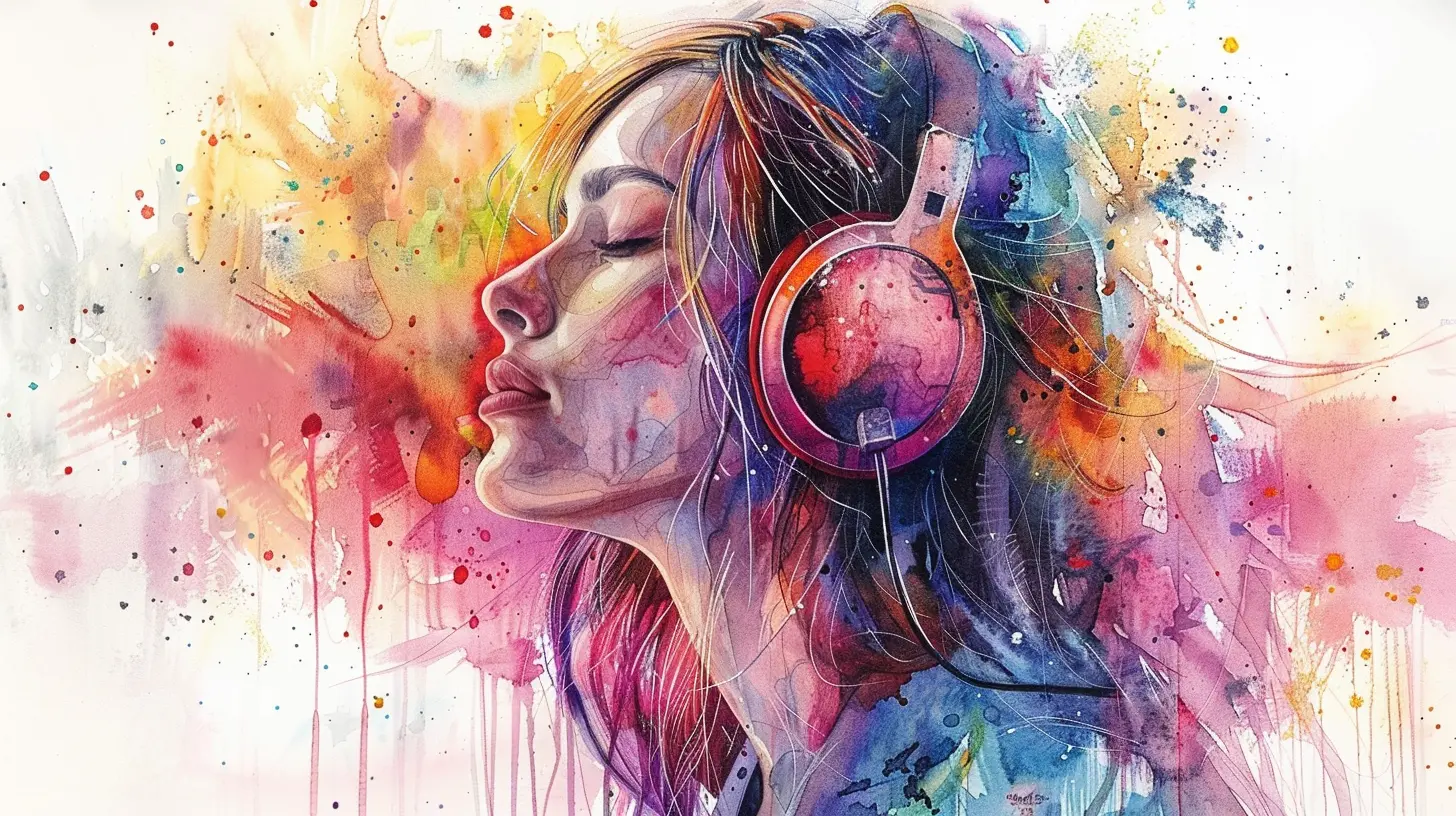
How Music Therapy Helps with Depression
Emotional Expression and Release
One of the hallmarks of depression is feeling stuck—emotionally, mentally, and sometimes even physically. Music offers a unique way for people to express emotions they might not be able to put into words. Whether it's through the lyrics of a song or the act of playing an instrument, music provides an outlet for pent-up feelings.For example, someone who struggles to verbalize their sadness or frustration might find that a melancholic song says exactly what they’re feeling. Or, they might find that playing a few chords on the guitar helps release some of their emotional tension. This form of expression can be incredibly cathartic, offering relief and a sense of being understood.
Reducing Feelings of Isolation
Depression often comes with a hefty dose of loneliness. Even when surrounded by people, it can make you feel like you're stuck in a bubble, cut off from the world. Music therapy can help break through that isolation. Group music therapy sessions, for instance, provide opportunities for social interaction, which in turn helps combat loneliness and fosters a sense of belonging.Even on a solo level, listening to music or writing a song can help individuals feel connected to something larger than themselves. It’s like music becomes a companion during those tough times.
Boosting Motivation and Energy
A common symptom of depression is a lack of motivation or energy. Music therapy can help reignite that inner spark. Upbeat, lively music can stimulate the body and mind, encouraging movement and action. Therapists often use rhythm and tempo to help clients engage in physical activity, even if it’s just tapping a foot or clapping along to a beat. These small victories can eventually lead to bigger strides in tackling daily activities.
How Music Therapy Helps with Anxiety
Calming the Nervous System
When you’re anxious, your body is in a constant state of "fight or flight." Your heart races, your breathing becomes shallow, and your muscles tense up. Music therapy can help lower those physiological responses. Slow, calming music has been shown to reduce heart rate, lower blood pressure, and promote deep breathing, all of which help bring the body back to a state of relaxation.This is why many therapists will use soft, instrumental music in sessions designed to help individuals manage anxiety. The goal is to create a safe, soothing environment where the body can relax and the mind can follow.
Distraction from Negative Thoughts
Anxiety loves to throw a mental party with endless loops of negative thoughts. Music therapy can provide a much-needed distraction. When you're immersed in a song or focused on playing an instrument, your mind can’t fixate on anxious thoughts as easily. This can help break the cycle of rumination that often accompanies anxiety.In some cases, music therapy might involve creating playlists specifically designed to help an individual manage their anxiety. This gives them a tool they can use outside of therapy sessions to regain control when they feel overwhelmed.
Encouraging Mindfulness
Music therapy can also promote mindfulness—a practice that’s all about staying present in the moment. When you focus on the melody, rhythm, and lyrics of a song, you’re practicing mindfulness without even realizing it. This can be especially helpful for people with anxiety, who tend to dwell on future worries or past mistakes.By staying present with the music, individuals can train their minds to focus on what’s happening in the "here and now," helping to reduce anxious thoughts and feelings.
Different Types of Music Therapy Techniques
There’s no one-size-fits-all approach when it comes to music therapy. Therapists use various techniques depending on the individual's needs. Here are a few common ones:1. Active Music Therapy
In active music therapy, the individual is encouraged to participate in creating music. This could involve playing an instrument, singing, or even improvising a song. The act of creating music can be empowering and provide an outlet for emotional expression.2. Receptive Music Therapy
This method involves listening to music, but it’s not as passive as it sounds. Music therapists often guide the individual through a listening experience, encouraging them to reflect on what they hear and how it makes them feel. This can help individuals become more aware of their emotions and triggers.3. Songwriting
Songwriting gives people a chance to articulate their emotions in a structured way. They can write their own lyrics, which helps them process their experiences and feelings. Plus, the sense of accomplishment from creating a song can boost self-esteem.4. Music and Movement
In some cases, music therapy is paired with movement or dance. This is especially useful for individuals who find it difficult to verbalize their feelings. The combination of music and physical activity can help release pent-up tension and promote emotional release.
Can You Try Music Therapy at Home?
While working with a trained music therapist is ideal, there are several ways you can incorporate music therapy principles into your daily routine at home. Here are some tips:- Create a mood-boosting playlist: Curate a playlist that lifts you up when you're feeling down or calms you when you're anxious.
- Sing out loud: Don’t worry about being pitch-perfect! Singing can be a great release for pent-up emotions.
- Learn an instrument: Even if you’re not musically inclined, learning a simple instrument like the ukulele or keyboard can be therapeutic.
- Practice mindful listening: Set aside time to listen to music without distractions. Focus on the instruments, lyrics, and emotions that come up.
Final Thoughts
Music therapy is a powerful, evidence-based tool that can help alleviate the symptoms of depression and anxiety. Whether you're actively creating music or simply listening and reflecting, the therapeutic benefits are undeniable. It’s not about being a musical genius—it’s about tapping into the emotional and physical responses that music naturally evokes in all of us.So, the next time you’re feeling overwhelmed, consider turning to music. It might just be the therapy session your mind and soul need.
all images in this post were generated using AI tools
Category:
Therapy TechniquesAuthor:

Eliana Burton
Discussion
rate this article
1 comments
Azurael Dorsey
Music therapy is a powerful tool! It brings joy, healing, and connection, helping to uplift spirits and soothe the mind. 🎶✨
December 9, 2025 at 4:54 AM
Eliana Burton
Thank you for your insightful comment! Indeed, music therapy offers profound benefits for mental health by fostering connection and promoting emotional well-being. 🎶✨