Healing Emotional Pain in the Digital Age: Navigating Social Media Triggers
31 July 2026
Let’s be honest: we’re more connected than ever, thanks to smartphones and Wi-Fi. We scroll through endless feeds, double-tap pictures, and share life's highlights in perfectly filtered snapshots. But beneath all of that, something deeper is going on—especially when you're trying to heal emotional wounds and your screen keeps bringing them right back up.
In this digital age, healing emotional pain is no longer just about journaling, therapy sessions, or heart-to-hearts with close friends. It also involves navigating a virtual world that can blow emotional triggers right in your face at any moment. So how do you protect your peace when your healing journey takes a hit every time you open an app?
Let’s dive into that.
Why Does Social Media Trigger Emotional Pain?
Social media isn’t inherently evil. It connects us, inspires us, even entertains us. But when we’re emotionally raw, it can act like salt in a wound. Ever seen a happy couple’s vacation pics after going through a breakup? Or come across someone’s big career win when you’re stuck at a job you hate? Yeah—cue the emotional tailspin.The Highlight Reel Problem
Social media is a carefully curated highlight reel, not real life. It only shows the best bits—smiling faces, milestone moments, world travels, and aesthetic meals. People rarely post the arguments, the mental breakdowns, the job rejections or the lonely nights. But when we’re already hurting, our brain doesn’t register that.Instead, it goes: “Wow, everyone’s life is amazing. Mine sucks.”
That comparison breeds emotional pain, and if you’re not paying attention, it becomes a loop that’s hard to break.
The Brain and Social Media
Here’s a little psychology: your brain loves patterns. It also loves rewards—think likes, comments, shares. Every little notification gives your brain a tiny hit of dopamine, a feel-good chemical. But if you’re not getting those hits—or if someone else is getting more—it can lead to feelings of inadequacy, jealousy, or rejection.And when you're already in emotional distress, that mix? It's explosive.
Recognizing Your Social Media Triggers
The first step in protecting your emotional health online is figuring out what exactly sparks those heavy feelings.Common Triggers Include:
- Romantic Posts: Can be tough when you're recovering from a breakup or dealing with loneliness.- Fitness or Body Image Posts: Might make you feel unworthy if you’re struggling with body confidence.
- Success Stories: Even inspiring posts about promotions or achievements can sting if you’re facing setbacks.
- Memories: Apps like Facebook often shove past memories in your face when you'd rather forget.
- Exes or Estranged Friends: Their names popping up on your feed can derail your entire day.
So, what are your personal triggers? Start by noticing moments when a scroll session leaves you drained or teary-eyed. That discomfort? It’s your cue that a boundary needs to be set.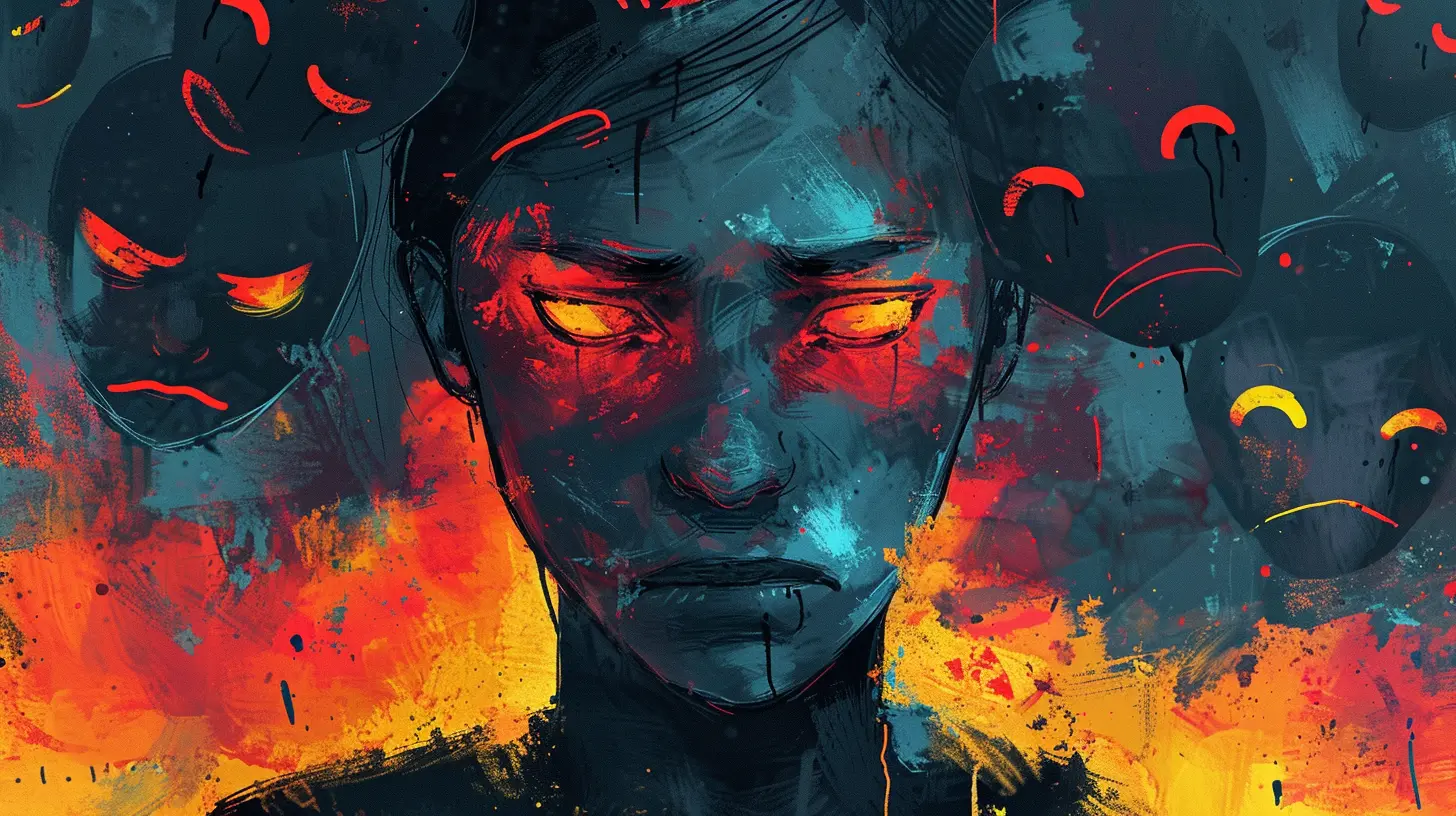
How to Set Healthy Digital Boundaries
Think of boundaries as emotional seatbelts. They protect you, especially when things get bumpy.1. Curate Your Feed Like Your Mental Health Depends on It (Because It Does)
Unfollow, mute, block—do whatever it takes. If someone’s content consistently makes you feel worse rather than better, you owe it to yourself to remove it from your space. This isn’t about being petty—it’s about self-preservation.You don’t have to explain or justify it. Your mental peace > their curated feed.
2. Set Time Limits
The longer you scroll, the deeper you fall.Use your phone’s screen time settings to limit how long you spend on apps each day. You might be surprised how much less anxious you feel when you reduce your digital exposure.
Think of it like junk food: a little bit won’t kill you, but overindulgence makes you feel awful.
3. Turn Off Notifications
Seriously, let’s stop letting dopamine hits run the show. Every ping, buzz, and badge is designed to pull your attention away from the present moment—where healing happens.Instead of your phone controlling you, take control of your tech.
Inserting Mindfulness into Your Digital Life
You don’t have to break up with social media entirely. It just needs to be a better relationship.Pause Before You Scroll
Before opening an app, ask: “Why am I opening this right now?” Boredom? Loneliness? Avoidance?That small pause gives you power. You’re no longer mindlessly scrolling—you’re choosing consciously.
Check In With Yourself
After you're done scrolling, ask another question: “How do I feel right now?”If you feel drained, anxious, or sad, that’s a big sign that your digital habits need adjusting.
Replace Reactive Scrolling With Intentional Digital Rituals
What if instead of doomscrolling late at night, you followed a few mindful creators who uplift you? Or saved quotes that resonate with your healing journey?Make your feed a healing space, not a triggering trap.
Using Social Media to Support Emotional Healing (Yes, It’s Possible)
Believe it or not, the same platforms that hurt you can also help you heal—if you use them right.Follow Accounts That Feed Your Soul
There are incredible therapists, coaches, and mental health advocates out there sharing supportive content daily. Their reminders can ground you, give you tools, and normalize what you're feeling.Share Your Journey (If You're Ready)
Sometimes voicing your struggles online (whether publicly or just to close friends) can be cathartic. It helps others realize they're not alone, and you might receive the kind of support you didn't expect.Just be careful not to seek validation at your most vulnerable—it’s okay to post, but don’t let likes determine your worth.
Join Supportive Communities
There are online groups for everything—grief, anxiety, heartbreak, trauma recovery. Being part of something bigger, even virtually, helps shrink that lonely feeling and expands your healing toolkit.When to Log Off and Focus Inward
Let’s be real: sometimes, the best thing for your emotional health is a clean break.Take a Social Media Detox
Even a 48-hour break can be incredibly refreshing. Silence the noise. Tune into yourself. Give your nervous system a break from constant stimulation.During that time, journal, meditate, go for a walk, talk to a friend—do anything that reconnects you with the present moment.
Invest in Offline Healing
Social media isn’t a substitute for therapy, deep conversations, or personal reflection. If you’re navigating serious emotional pain, consider traditional forms of healing too:- Therapy or counseling
- Support groups
- Meditation and mindfulness
- Creative outlets like art, music, or journaling
- Spending time in nature
Redefining Healing in the Digital Era
Healing today looks different than it did 20 years ago. We’re not just managing emotions in person—we’re also navigating a highlight reel culture that’s constantly in our face.But here's the thing: you get to rewire how you interact with the digital world. You get to say no to toxic feeds and yes to mindful scrolling. You get to protect your heart while still being part of the conversation.
Healing in the digital age may be more complicated—but it’s not impossible. With awareness, intention, and a few strong boundaries, you can use these very same tools to not just avoid pain—but to find peace.
Final Thoughts: You’re Allowed to Protect Your Peace
If scrolling social media feels like walking through an emotional minefield, listen to that inner voice telling you to step back. Healing emotional pain doesn’t mean deleting every app forever—but it does mean creating a digital environment where your well-being comes first.Remember, healing is messy and nonlinear. You’re not doing it wrong because you got triggered by a post. You're human. Be kind to yourself as you navigate this modern world.
And most importantly? You deserve to heal—fully, deeply, and without constant digital triggers.
all images in this post were generated using AI tools
Category:
Emotional HealingAuthor:

Eliana Burton
Discussion
rate this article
1 comments
Leona Burton
Oh great, another article telling us how to manage our feelings while scrolling through endless photos of perfect lives and vacation spots. I guess we just need to tap out our emotions like we tap on our screens... genius.
August 9, 2026 at 3:42 AM