Grief and Aging: How Loss Changes as We Grow Older
5 August 2026
Grief is one of life's toughest teachers. It’s a universal experience, yet deeply personal. As we age, the way we experience and process loss changes. The grief of a 20-year-old is not the same as that of a 70-year-old. Why? Because aging brings new perspectives, different kinds of losses, and sometimes, a quieter kind of suffering.
Understanding how grief evolves as we grow older can help us cope better and support others going through it. So, let’s dive into how loss transforms with age, why it affects us differently, and how we can navigate it.
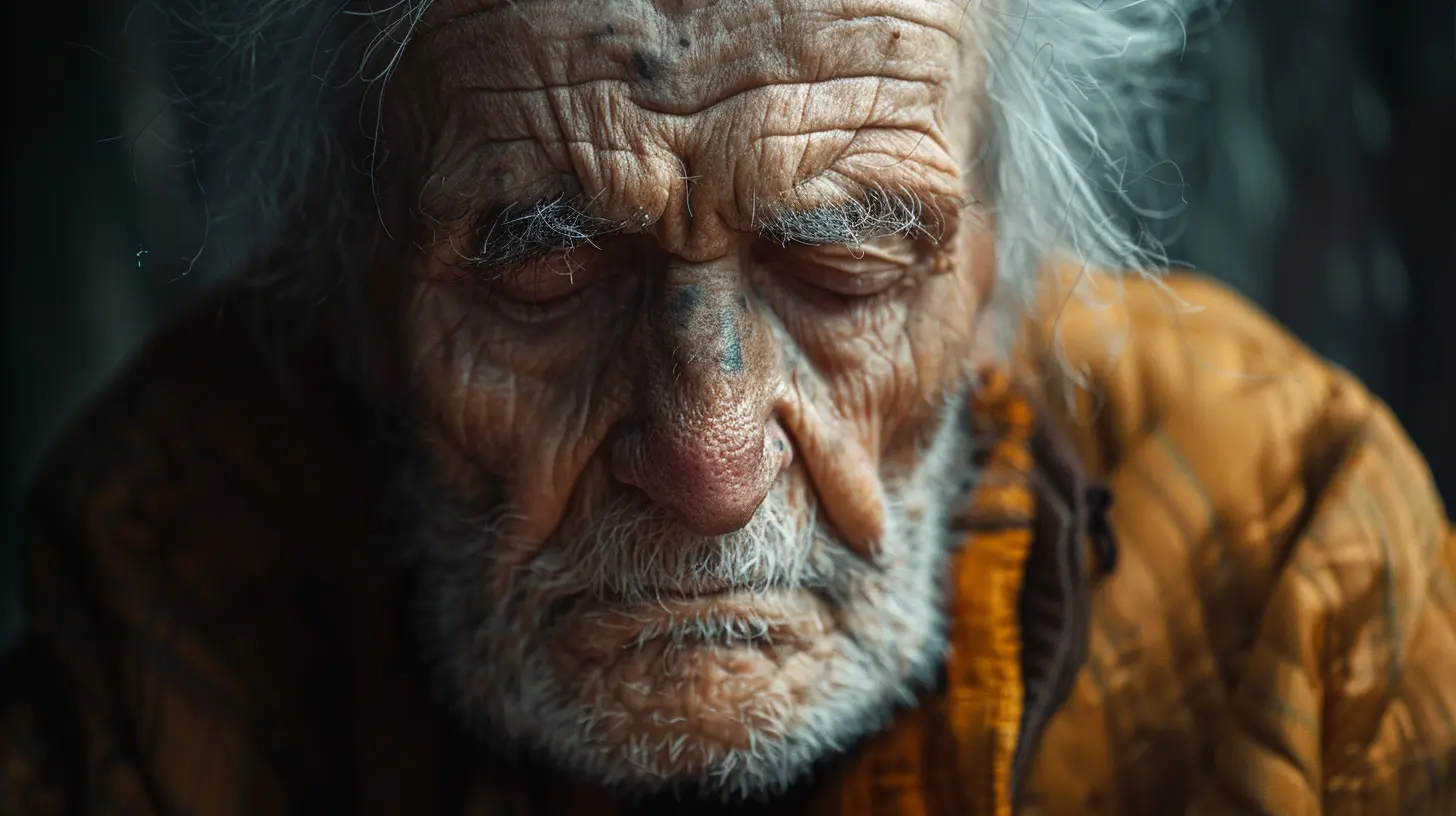
The Ever-Changing Nature of Grief
Grief isn’t a one-size-fits-all emotion. It’s like a fingerprint—unique to each person. However, one thing remains constant: it changes over time.When we’re younger, grief often feels raw and overwhelming. It’s like a tidal wave crashing over us. We may struggle to make sense of it, question life’s fairness, or feel like the pain will never fade.
As we grow older, grief doesn’t necessarily become easier, but our relationship with it shifts. It becomes a quieter, more reflective process. Aging brings wisdom, but it also brings a lifetime of losses—friends, family, independence, health, and sometimes even personal identity.
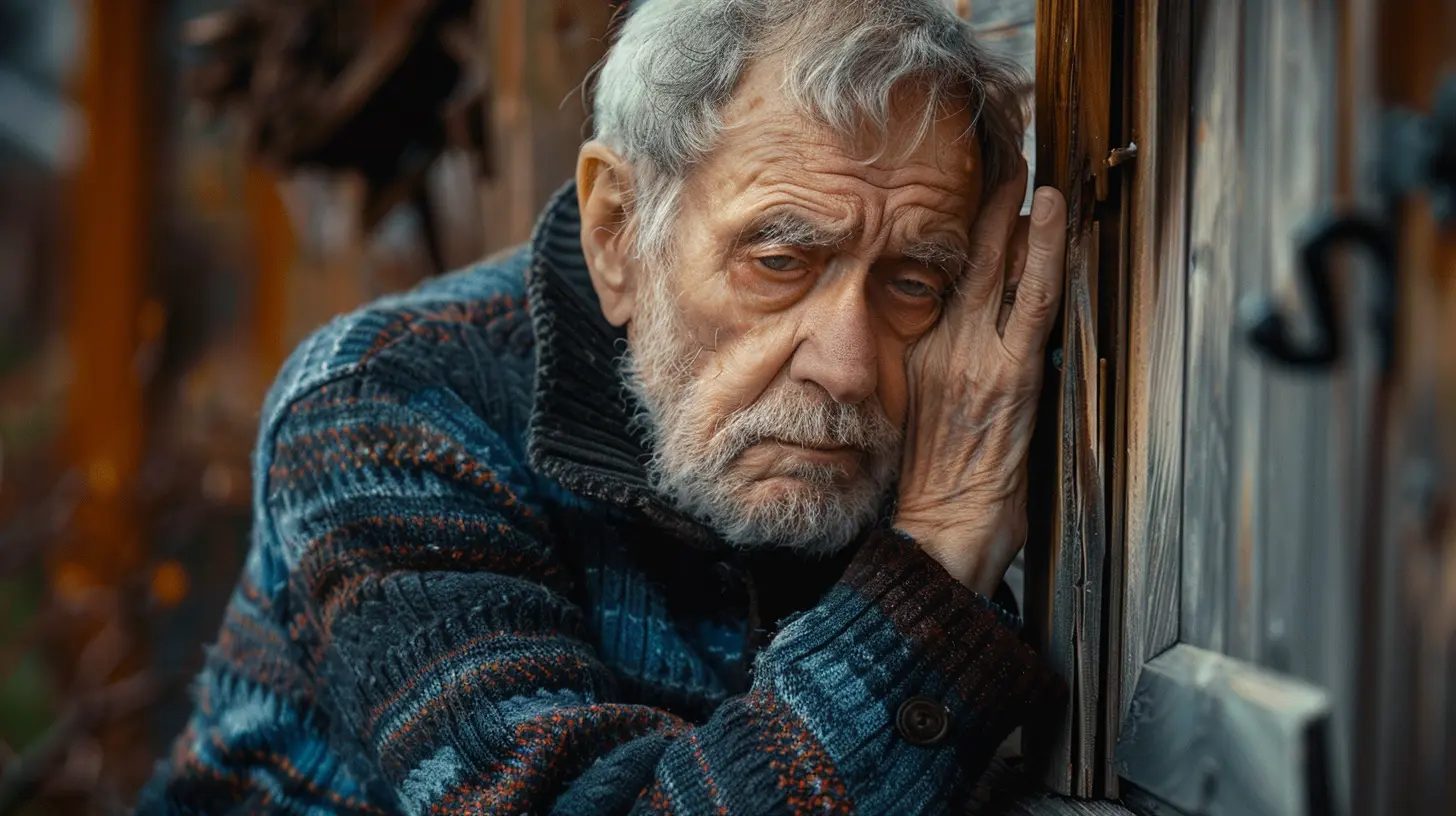
Young Grief vs. Older Grief: What’s the Difference?
1. The First Encounters with Loss
In our younger years, grief is often experienced in its most intense form. Whether it's losing a parent, a friend, or even a pet, these early losses can be earth-shattering. Since we have limited life experience, we may struggle to cope.Younger people tend to experience grief with sharp, overwhelming emotions. It’s like a storm—intense, unpredictable, and all-consuming. They might seek distraction, dive into work or social life, or even suppress their feelings altogether.
2. The Accumulation of Losses Over Time
As we age, loss becomes more frequent. By the time we reach our 50s, 60s, or beyond, we've likely experienced multiple losses—parents, siblings, long-time friends, perhaps even a spouse. Each loss builds on the others, creating a deeper, more layered grief.For older adults, grief isn’t just about losing a loved one. It’s also about losing parts of themselves—physical abilities, independence, careers, or even the neighborhoods they once knew. It’s a gradual process of saying goodbye to different aspects of life.
3. Coping Mechanisms Change with Age
With age comes experience, and with experience comes better coping mechanisms. While younger individuals may struggle to handle grief, older adults often develop resilience.- Younger people may turn to distractions—staying busy, socializing, or even avoiding the pain.
- Older adults tend to reflect more, embrace the grieving process, and find comfort in memories and meaningful rituals.
That's not to say grief becomes easy—it never does. But older adults often have a stronger emotional toolkit to process their losses.
4. Social Support Shrinks Over Time
One of the hardest aspects of aging-related grief is the shrinking circle of support. When we're young, we have more friends, family, and community connections. But as people pass away, move, or drift apart, that circle gets smaller.This can lead to loneliness and isolation, making grief harder to bear. Many older adults find themselves grieving alone, without the same level of emotional support they once had.
This is why staying connected—whether through social groups, religious communities, or online networks—is crucial as we age.
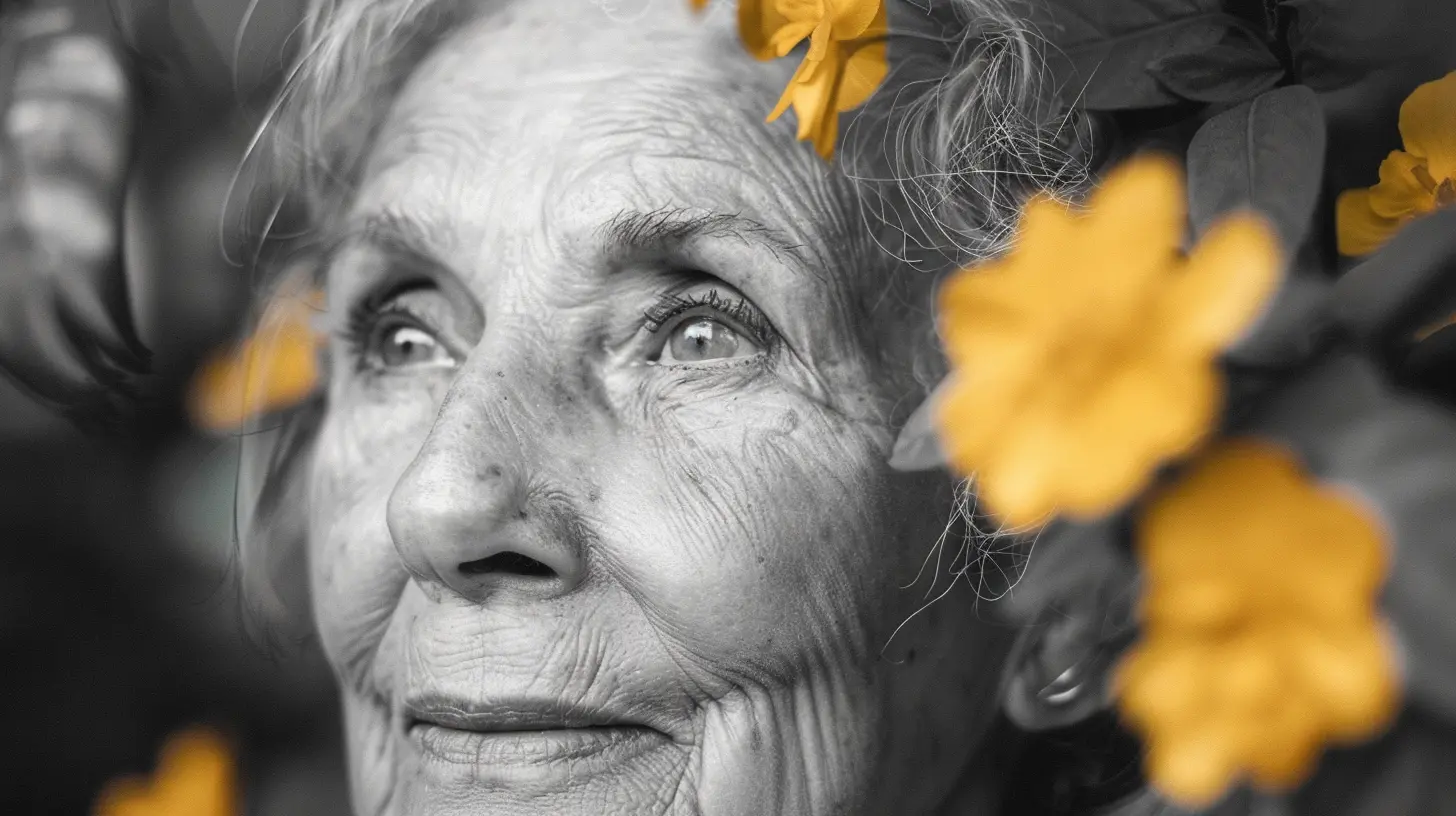
The Emotional Landscape of Aging and Grief
Aging brings a different emotional response to grief. Unlike young grief, which often comes with shock and disbelief, older grief is accompanied by reflection, acceptance, and sometimes even existential questioning.1. Anticipatory Grief
As we age, we start experiencing anticipatory grief—the mourning that happens before a loss occurs. This is common when caring for aging parents, a spouse with chronic illness, or even when confronting our own mortality.While anticipatory grief can be painful, it can also be a gift. It allows us to say meaningful goodbyes, make peace with certain realities, and cherish moments we might otherwise take for granted.
2. A Different Kind of Sadness
While younger grief feels like sharp, piercing pain, older grief often feels like a dull ache—always there, always present, but less overwhelming. It’s not that the pain lessens, but rather, we learn to live with it.Memories become a source of comfort rather than a trigger for pain. Instead of focusing on the loss, many older adults find solace in celebrating the life that was lived.
3. The Search for Meaning
Loss often prompts deeper self-reflection, especially as we age. Many older adults begin asking big questions:- "What was the purpose of my loved one’s life?"
- "How do I carry on without them?"
- "What legacy do I want to leave?"
This search for meaning can lead to spiritual or philosophical growth. Some find comfort in religion, others in nature, art, or acts of kindness.
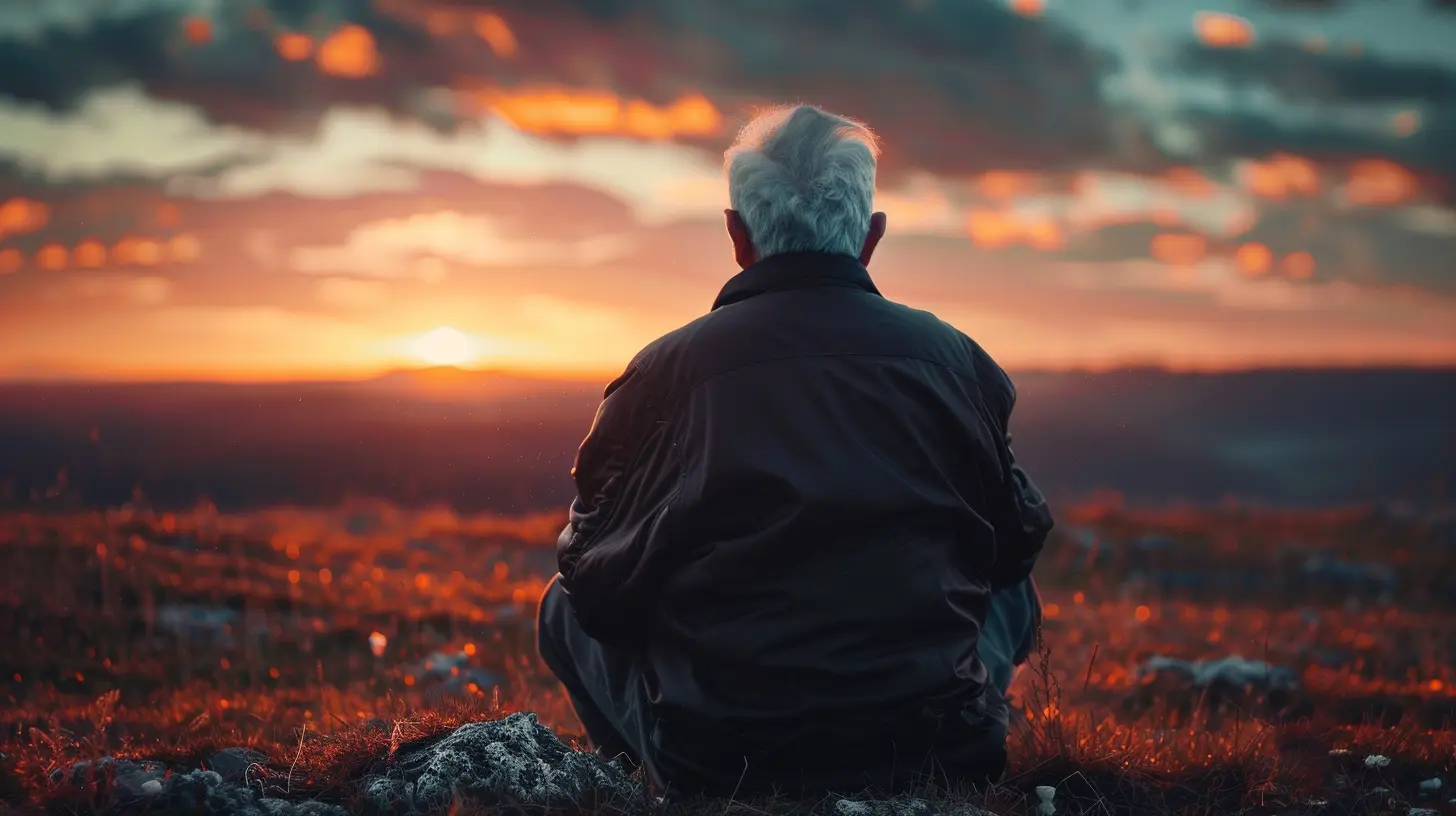
How to Navigate Grief as We Age
Grieving in later life presents unique challenges, but there are ways to navigate it with resilience.1. Acknowledge and Accept the Grief
Ignoring grief doesn’t make it disappear. It’s like pushing a beach ball underwater—it always resurfaces. Accepting emotions, no matter how painful, is the first step toward healing.2. Stay Connected
Loneliness is one of the biggest struggles of grief in old age. Staying socially active—through clubs, support groups, or even volunteer work—can make a huge difference.3. Find Healthy Outlets for Expression
Whether it’s journaling, talking with a therapist, or engaging in creative activities like painting or music, expressing grief in a constructive way can be incredibly therapeutic.4. Embrace Rituals and Memories
Honoring loved ones through traditions—whether lighting a candle, celebrating their birthday, or sharing stories—keeps their memory alive.5. Seek Professional Support When Needed
Sometimes, grief becomes too heavy to bear alone. Therapy, grief support groups, or even talking with trusted friends can help lighten the load.Final Thoughts
Grief doesn’t get easier with age, but it does change. It can feel like an old friend—familiar, ever-present, but not as overwhelming. While loss is inevitable, the way we process it, honor it, and carry it with us evolves.No matter how old we are, grief teaches us one thing: love never truly dies. It stays with us, shaping who we are and how we live. And perhaps that’s the most beautiful part of all.
all images in this post were generated using AI tools
Category:
Grief And LossAuthor:

Eliana Burton
Discussion
rate this article
1 comments
Karson McDowney
Oh great, just what I needed-more reasons to feel sentimental about getting older. Because who wouldn't want to navigate loss with a side of aging? Maybe I should start a support group for those of us mourning our youth...
August 11, 2026 at 2:22 AM