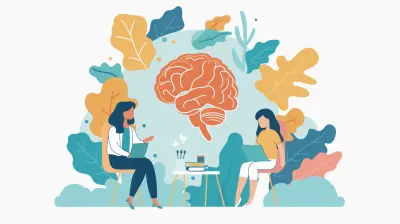
Exploring the Link Between Physical and Mental Health
23 December 2025
Ever notice how a good workout can instantly boost your mood? Or how chronic stress seems to drain your energy and impact your sleep, appetite, and even your immune system? You're not imagining things—your body and mind are way more connected than we often give them credit for.
In this article, we’re diving deep into the fascinating relationship between physical and mental health. Not in a textbook-ish way, but in a real-world, “makes total sense” kind of way. Whether you’re managing anxiety, battling low energy, or just want to feel better overall—knowing how your body and mind tag-team can help you take better care of both.
Let’s unpack it.
What is Physical Health Anyway?
Let’s not overcomplicate it. Physical health is basically how well your body functions. It’s about being free from disease and having energy to do what you love—whether that’s biking on a trail, chasing your toddler, or working an 8-hour shift without crashing halfway through.Physical health includes:
- Regular exercise
- Balanced nutrition
- Adequate sleep
- Proper hydration
- Routine checkups
Simple stuff, right? But here’s the catch—it doesn’t stop at your body.
And What About Mental Health?
Mental health covers the emotional, psychological, and social aspects of your well-being. It affects how you think, feel, and act. It impacts how you handle stress, relate to others, and make choices.Some key elements of good mental health include:
- Ability to manage stress
- Positive self-esteem
- Healthy relationships
- Sound decision-making
- Emotional awareness
Mental health isn’t just about avoiding mental illness. It’s about thriving—even when life throws curveballs.
So, How Are They Connected?
Here’s the golden question: how are physical and mental health linked?Let me break it down. Think of your body and mind like dance partners. When one is off-beat, the other stumbles too. It’s not just a one-way street—your physical state affects how you feel emotionally, and your mental state affects how your body functions.
1. Exercise and Mental Health: A Power Duo
Lacing up those sneakers doesn’t just tone your legs—it lifts your mood too. Physical activity releases endorphins (aka your brain’s “feel-good” chemicals). It also lowers levels of stress hormones like cortisol and adrenaline.Even just a 20-minute walk can:
- Ease symptoms of anxiety and depression
- Improve focus and cognitive function
- Boost self-esteem
- Help you sleep better
Yep, movement is medicine. And you don’t need to be a marathon runner to feel the benefits—even dancing in your kitchen counts!
2. A Healthy Diet = A Healthy Mind
You are what you eat. And no, that’s not just a phrase grandma made up.The gut and brain are tightly connected via the gut-brain axis. Your gut actually has its own nervous system (sometimes called the “second brain”), and it plays a huge role in your mood and mental clarity.
Foods rich in omega-3s, fiber, and probiotics can:
- Reduce symptoms of depression
- Sharpen focus
- Increase energy levels
- Improve memory
On the flip side, diets high in sugar, processed foods, and trans fats can worsen symptoms of anxiety and depression.
So, next time you’re reaching for that sugary snack, think about how it might make you feel—not just physically but emotionally.
3. Sleep: The Unsung Hero
When you’re sleep-deprived, everything feels harder—thinking clearly, being patient, holding it together emotionally.Poor sleep can:
- Increase anxiety levels
- Trigger mood swings
- Reduce coping ability
- Impair decision-making
And fun fact: insomnia is one of the most common symptoms of depression and anxiety. It’s a vicious cycle. Bad mental health leads to bad sleep, and bad sleep worsens mental health.
Want a game changer? Prioritize 7–9 hours of quality sleep with a consistent schedule. Your brain (and mood) will thank you.
4. Chronic Illness and Mental Health Challenges
Living with a chronic illness—whether it’s diabetes, cancer, or heart disease—takes a mental toll. Constant doctor visits, physical discomfort, and lifestyle limitations can chip away at your emotional resilience.It’s common for people with chronic illnesses to experience:
- Depression
- Anxiety
- Social isolation
- Grief over lost abilities
What makes it harder? Many people don't talk about the emotional side of being physically ill. But support—through therapy, support groups, or even just opening up to loved ones—can make a world of difference.
5. Stress: The Double-Edged Sword
Ever notice how stress shows up in your body?Muscle tension. Headaches. Upset stomach. Low immunity. Yep, chronic mental stress can manifest physically. Your body stays in “fight or flight” mode, keeping stress hormones elevated longer than they should be.
Long-term stress can lead to:
- High blood pressure
- Weakened immune system
- Digestive issues
- Cardiovascular problems
So managing stress doesn’t just help your mind—it protects your body, too.
Mental Health Conditions Can Affect Physical Health
Let’s flip the mirror. When your mental health is struggling, your physical well-being often takes a hit.For example:
- Depression can lead to fatigue, appetite changes, and chronic pain.- Anxiety might cause heart palpitations, dizziness, and nausea.
- PTSD can increase your risk for heart disease and autoimmune conditions.
- Eating disorders can severely affect organ function and nutrient absorption.
It’s not “all in your head.” These are real, biological responses that show up in your body.
The Flip Side: How Physical Health Impacts Mental Wellness
Just as mental health conditions can cause physical symptoms, poor physical health can damage your mental wellness.Let’s say you’re not active, you eat poorly, and you haven’t slept well in weeks. Maybe you’re pushing through a cold or ignoring chronic pain. Over time, this wears you down mentally.
You start to feel:
- Irritable
- Hopeless
- Unmotivated
- Foggy
That’s your body waving a red flag—telling you it needs care, not just aspirin.
How to Improve Both: Simple Tips That Work
Here’s where things get practical. Want to feel better physically and mentally? Start with small, consistent steps.1. Move Every Day
You don’t need a gym membership to get moving:- Go for a walk in the park
- Dance to your favorite playlist
- Try yoga or stretch for 10 minutes
- Take the stairs instead of the elevator
Consistency > intensity.
2. Eat Brain-Friendly Foods
Try adding more:- Leafy greens (for folate)
- Fatty fish (for omega-3s)
- Berries (for antioxidants)
- Whole grains (for fiber)
- Yogurt or kefir (for probiotics)
And cut back on sugary, processed foods. Your brain likes clean fuel.
3. Prioritize Sleep Hygiene
- Stick to a sleep schedule- Limit screens before bed
- Keep your bedroom cool and dark
- Avoid caffeine late in the day
Sleep is your mental reset button—don’t skip it.
4. Manage Stress with Intention
- Try meditation or deep breathing- Journal your thoughts
- Set boundaries (say no when needed!)
- Talk it out with a friend or therapist
Stress is inevitable. Chronic stress isn’t.
5. Get Regular Checkups
Even if you feel “fine,” regular physical and mental health screenings can catch issues early. Prevention goes a long way.Therapy and Movement: A Winning Combo
Many therapists now integrate movement-based therapy into their sessions. Why? Because physical activity can open the door to emotional breakthroughs.Ever gone on a walk-and-talk session with a friend? It's easier than sitting face-to-face in a stiff chair. Therapy works in a similar way—the body moves, and the mind follows.
Sometimes to process what’s going on inside, you have to move what's outside.
Final Thoughts: The Body and Mind Aren’t Separate—They’re Partners
At the end of the day, your mental and physical health aren’t playing on different teams—they’re dancing the same dance. When one stumbles, the other feels it.But here’s the good news: small changes add up. Caring for your body helps your mind. And nurturing your mental health supports a healthier body.
It’s not about perfection—it’s about connection.
Take care of both, and they’ll take care of you.
all images in this post were generated using AI tools
Category:
PsychologyAuthor:

Eliana Burton
Discussion
rate this article
2 comments
Mira McCaffrey
Embracing the connection between physical and mental health can transform your well-being. By prioritizing both, we empower ourselves to thrive, fostering resilience and joy in every aspect of life. Let’s nurture our whole selves!
January 25, 2026 at 3:30 AM
Jessamine McClary
Who knew jogging could boost my mood? Now if only my brain could get fit from binge-watching my favorite shows! Remember, folks, a healthy mind and body means less need for chocolate therapy—though I’m still keeping a stash just in case!
January 7, 2026 at 3:56 AM
Eliana Burton
Absolutely! Finding balance between activity and relaxation is key. Enjoy your stash, but keep jogging for that mood boost!