Coping with Pet Loss: Why It Hurts So Much
20 May 2026
Losing a pet is one of those heartbreaks we’re never quite prepared for. If you’re going through it right now, first off—I'm deeply sorry. It’s raw, it’s real, and it’s often misunderstood by those who haven’t been in your shoes. You might be wondering, “Why does this hurt so much?” or “Is it normal to feel this bad?” The short answer: yes, absolutely. The pain of losing a pet can run as deep as losing a close human companion.
In this article, we’ll chat about why pet loss hits so hard, what’s going on emotionally and psychologically, and how you can begin to heal. No fluff here—just honest, heart-centered insight with a dash of science and a good amount of empathy.
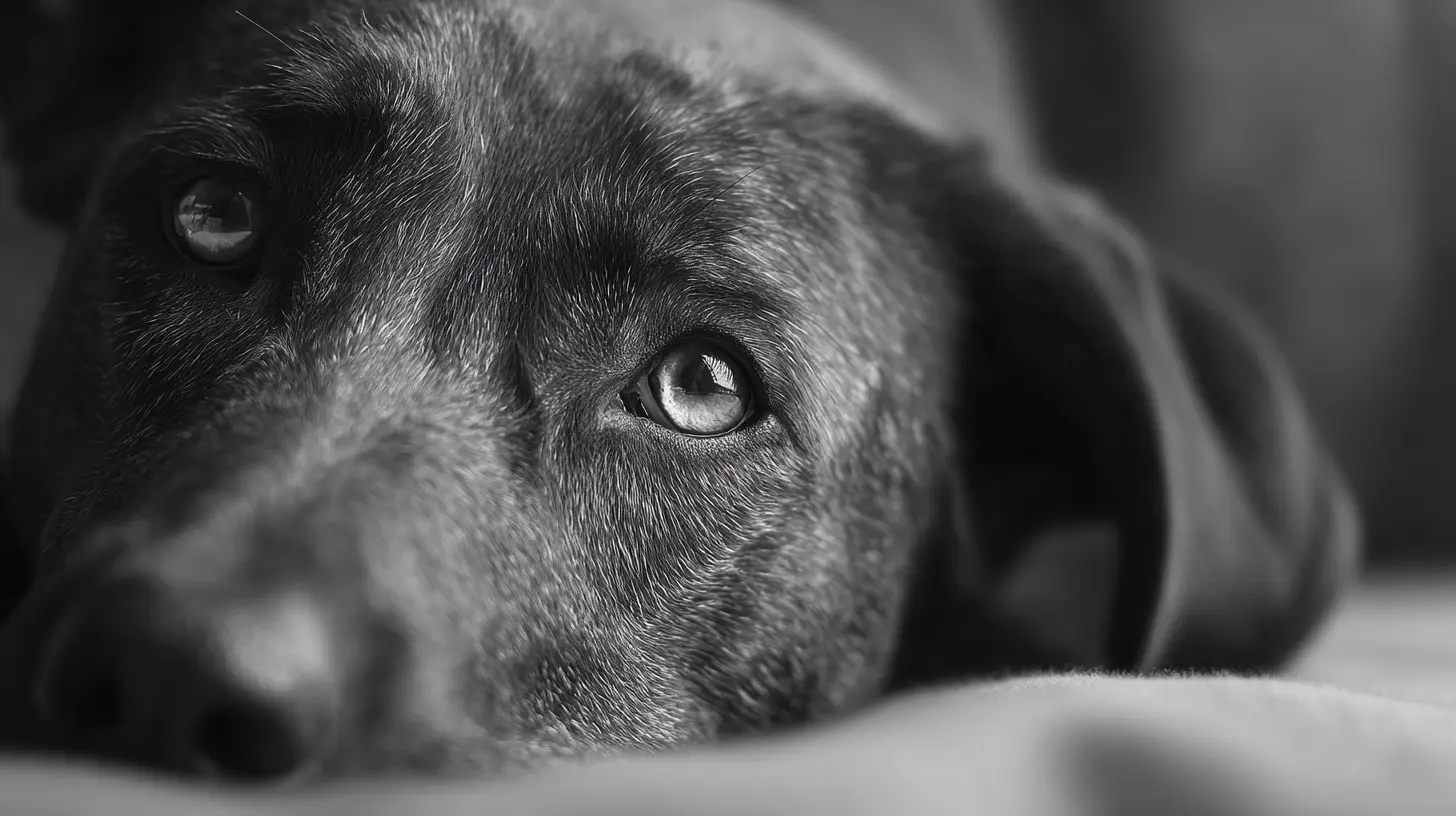
Why Pet Loss Hurts So Much: More Than Just a Pet
Let’s get this straight—your pet wasn’t “just a dog,” “just a cat,” or “just a bird.” That little (or big) creature was your best friend, your confidant, your daily source of joy, and maybe even the only one who could make you smile on the darkest of days. You built memories together. You shared a bond that didn’t require words. That kind of connection? It doesn’t die easily.Pets Are Family—Period
When someone asks why you're so devastated over a pet, it’s usually because they didn’t have that bond themselves. But for many of us, our pets are family. In fact, studies have shown that brain activity linked to attachment shows up similarly when we see our pets as when we see a loved one. That wagging tail or soft purr wasn’t just cute—it was comfort. It was connection.They’re Our Safe Space
Let’s be honest—life is chaotic. People can disappoint us. Jobs can stress us out. But our pets? They offer unconditional love. No judgment. No criticism. Just warm eyes, happy wags, or playful meows that make everything feel just a little more okay.Losing that safe harbor can feel like the world’s gone off balance. It’s like losing a part of yourself—a part that felt truly understood, even without words.

Grieving a Pet: The Pain Is Real
A lot of people don't realize how deep the grief can go. And unfortunately, society sometimes shrugs it off. That’s what we call “disenfranchised grief.” It’s pain that doesn’t always get validated because people around you might not get it. But here’s the truth: your grief is 100% valid.The Waves of Grief
Grief after losing a pet doesn’t just fade away overnight. It comes in waves. One moment you’re okay, then boom—a toy on the floor, an empty leash, or a quiet house sends a jolt of pain through your chest. That’s normal. It’s your brain processing the absence. And healing? It’s not linear. Some days will feel lighter. Others, not so much. And that’s okay.Guilt and “The Decision”
For those who’ve had to make the heartbreaking call of euthanasia, there's often guilt tangled in the grief. "Did I do the right thing?" "Could I have waited a bit longer?" These are the haunting questions we ask ourselves. But remember, choosing to end suffering is an ultimate act of love. It's letting them go peacefully, with dignity. It’s selfless, not shameful.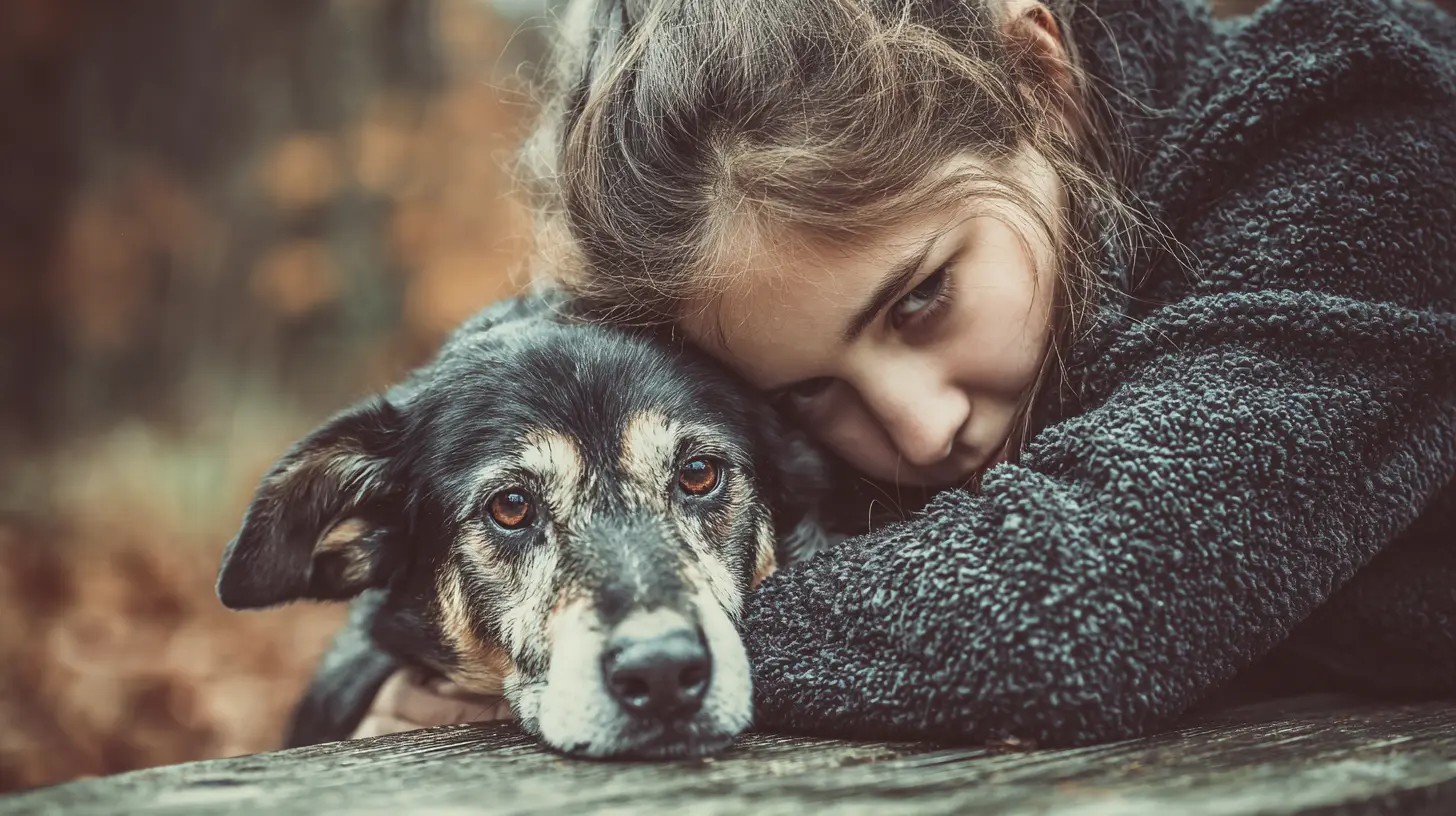
Why We Bond So Strongly With Animals
Here’s something fascinating—human-animal bonds are ancient. For thousands of years, humans have relied on animals for companionship, protection, and emotional support. Our brains are wired to bond deeply with them, especially because they respond to us in ways that spark feelings of attachment.The Oxytocin Connection
Ever heard of the “love hormone” oxytocin? Every time we interact with our pets—cuddling, petting, even gazing into their eyes—we experience a surge of oxytocin. That feel-good chemical plays a huge role in emotional bonding. So when we lose our pet, it’s not just emotional loss—it’s a biological one as well.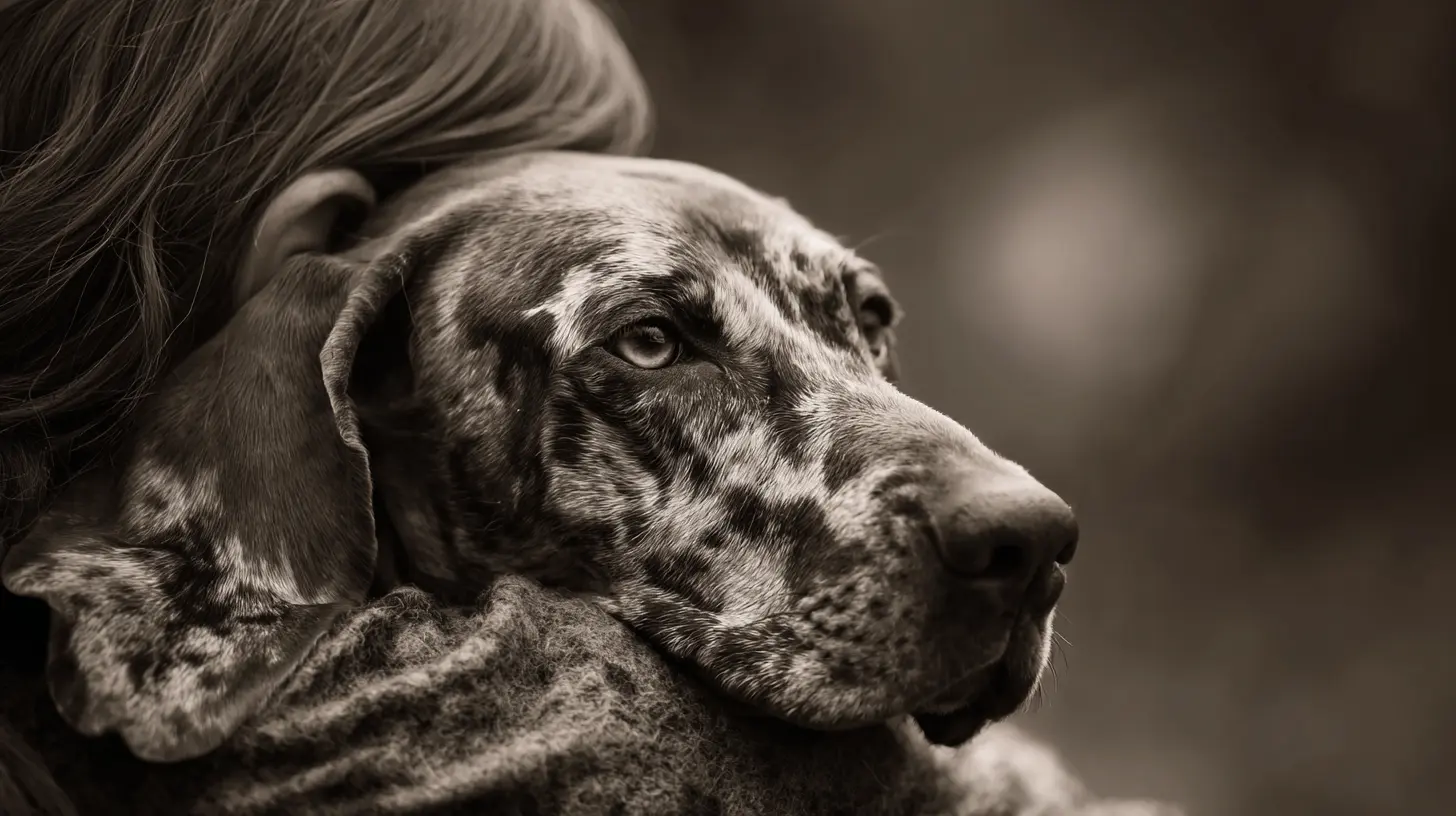
What Makes This Kind of Grief Unique?
Pet loss is unique because:- There's often no funeral or public mourning.
- You might not get the same support you'd get if you lost a human loved one.
- People may expect you to "get over it" quickly.
And yet, the loss leaves a gaping hole in your day-to-day life. Your entire routine shifts—no more morning walks, feeding times, or the happy greeting at the door. Everything feels...off.
How to Cope with Pet Loss: Healing Your Heart
So, how do you move forward when your heart feels shattered? It’s not about “getting over it”—it’s about finding a new way to carry your love for them with you, even as life moves on.Here are some ways to start healing:
1. Let Yourself Grieve—Fully
Don’t bottle it up. Cry if you need to. Talk about it. Write a letter to your pet. Look through old photos. Grief is a process, not a button you can switch off. Give yourself permission to feel all the feels—you’re not being dramatic; you’re being human.2. Talk to Someone Who Gets It
Reach out to someone who understands the depth of pet love. Whether it’s a friend, therapist, or pet loss support group—sharing your story helps unload part of the emotional weight. There’s so much power in being heard.3. Memorialize Them
Creating a tribute to your pet can be incredibly healing. Some ideas?- Frame their photo or paw print.
- Create a memory box with their collar, toys, or favorite blanket.
- Plant a tree or flower in their honor.
- Write a poem or a goodbye letter.
Honoring their memory keeps their spirit alive in your life.
4. Don’t Rush to “Replace” Them
Though the silence at home might be deafening, try not to rush into getting a new pet right away. You need time to grieve, to heal. When the time is right, you’ll know—and it’ll feel right. No guilt, no pressure.5. Take Care of Yourself
Just like with any loss, your mental and physical health can take a hit. So, eat well, get some sleep, take walks (even solo ones), and breathe. This is a tender time—be gentle with yourself.
Helping Kids Understand Pet Loss
If you have children, the loss of a pet can be their first real experience with death. It’s important to talk to them honestly, using age-appropriate language. Avoid euphemisms like “he went to sleep” (which can be confusing and even scary). Instead, let them feel their sadness and encourage them to express it through drawing, writing, or talking.Let them know it’s okay to cry. It’s okay to miss their furry buddy. And remind them—love never truly leaves us.
When Grief Doesn’t Ease: Watch the Signs
For some, pet loss triggers intense grief that lingers. If after several weeks or months you're still unable to eat, sleep, or think of anything else, you might be experiencing complicated grief or even depression. And there’s no shame in that.Seek professional help if:
- Your daily functioning is impaired.
- You feel numb, hopeless, or stuck.
- You’re isolating yourself completely.
- You're experiencing extreme guilt or suicidal thoughts.
Therapists, especially those familiar with pet loss, can help you navigate this storm.
Pets Leave Paw Prints
Here’s the thing I want you to hold onto: grief is the price we pay for love. And when the love is real and deep—so is the loss. But also remember, your life was richer because of your pet. The snuggles. The laughter. The comfort. They gave you unconditional love—and you gave it right back.Even though they’re no longer by your side, they’re never far from your heart. Their paw prints are there, tucked deep in your memories, bringing soft echoes of joy in time.
Final Thoughts: You’re Not Alone in This
Coping with pet loss is tough. It’s messy, it’s painful, and it doesn’t follow any kind of calendar. But you’re not alone. Millions of people have walked this path, and many are walking it right now, just like you. And while the pain might feel endless now, it does soften. It begins to change shape. It becomes more about love remembered than pain endured.Your grief is a reflection of how much your pet mattered. And that, my friend, is a beautiful thing.
all images in this post were generated using AI tools
Category:
Grief And LossAuthor:

Eliana Burton
Discussion
rate this article
1 comments
Felicity McKinnon
Love remains, even gone.
May 29, 2026 at 4:28 PM
Eliana Burton
Absolutely. The bond we share with our pets leaves a lasting impact, even after they're gone.