Body Image and Physical Disability: Redefining Confidence
23 July 2026
Okay, let's talk about the elephant in the room—or maybe the wheelchair, the prosthetic leg, the cane, the scar, the gadget, or whatever visual cue people associate with “disability."
In a world where Instagram filters make reality look like a Sims character creation screen and ads still worship the six-pack and the thigh gap (seriously, who has a gap between their thighs unless they're doing the splits?), it’s hard enough feeling good about your body when you're totally able-bodied. So what happens when you're living with a physical disability? The confidence game changes. And spoiler alert: it doesn’t mean game over. It means new rules, new cheat codes, and a whole new way to slay.
Let’s break this down. And have a few laughs while we’re at it.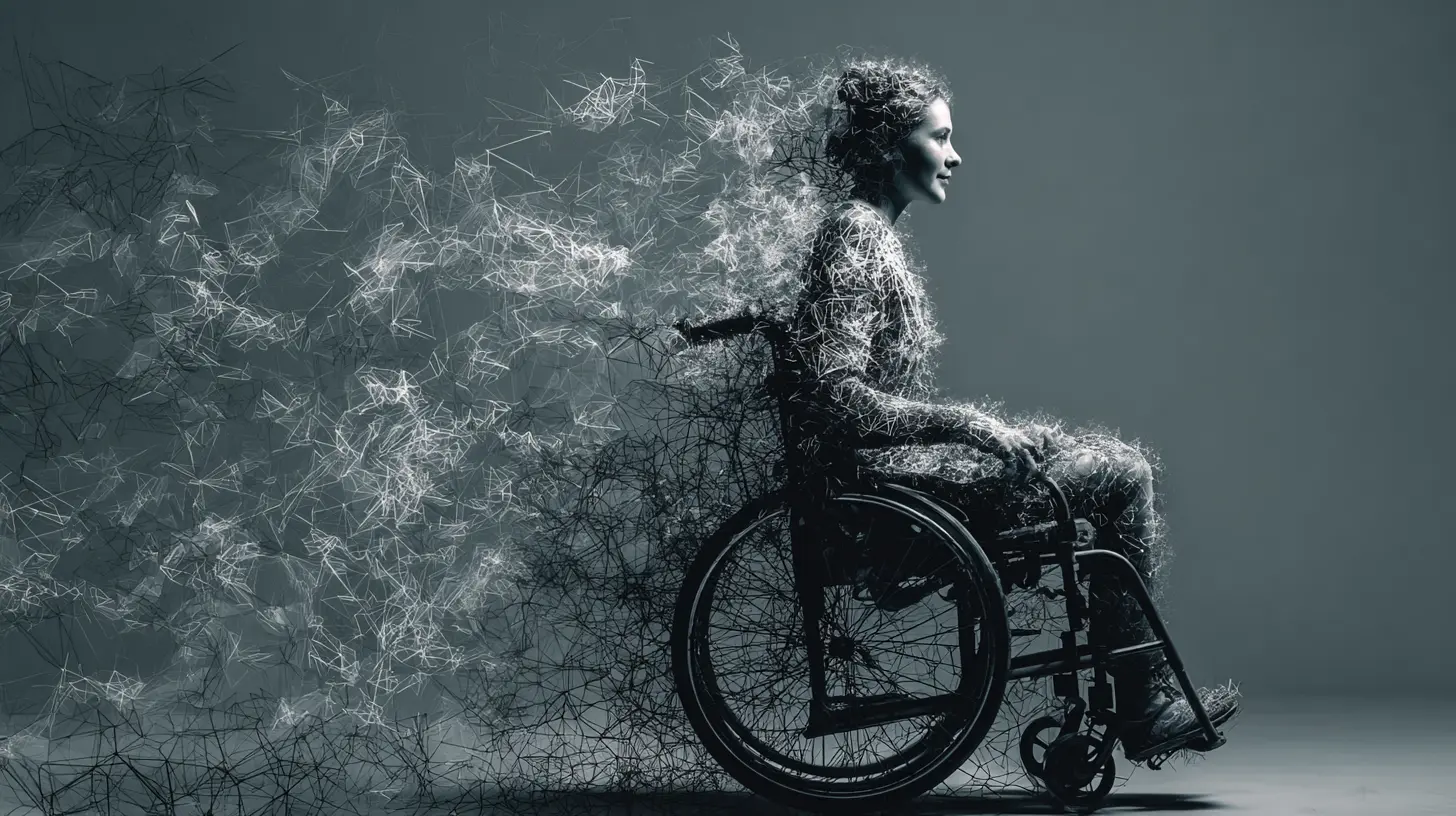
The Not-So-Subtle Pressure to “Look Normal”
Ever noticed how every makeover scene in movies ends with the person looking… totally conventional? Like they're finally “fixed” once their hair’s shiny and their braces are off? Yeah. Hollywood’s not great at normalizing diversity, especially when it comes to disability.Physical disabilities often get edited out of the confidence narrative. When we talk about “feeling beautiful,” it’s somehow assumed we’re all starting from the same physical baseline. Spoiler: we aren’t. And when society keeps handing out body positivity badges only to people who look like swimsuit models with stretch marks, it leaves out a whole crowd of people who aren’t just dealing with cellulite, but mobility aids, prosthetics, scars, and more.
So, what gives?
Body Image Isn’t Just About Vanity—It’s About Identity
Here’s the thing: body image isn’t just about how you "look." It's about how you see yourself, how you think others see you, and how that shapes everything from your self-esteem to what you wear to the grocery store.Now throw a physical disability into the mix, and it gets way more complex.
Maybe you used to be able-bodied and your body has changed. Maybe you’ve lived with a disability your whole life and never felt represented in the glossy pages of... well, anything. Either way, your confidence isn’t broken—it's just stuck trying to download an update from a system (ahem, society) that doesn’t really understand your software.
The Confidence Myth: No, You Don’t Have to “Overcome” Your Disability
Quick question: why is it that people are always telling individuals with disabilities how “inspirational” they are just for existing?Just. For. Existing.
Listen, if someone climbs Mount Everest with a prosthetic leg, sure, go ahead and be impressed. But if someone’s just trying to buy milk at Target without being stared at like a UFO landed in aisle five, maybe we cool it with the “hero” labels.
The whole “overcoming disability” narrative implies that confidence can only come when you pretend your disability doesn’t exist. That’s like saying you have to wear shoes two sizes too small and smile through the pain to be taken seriously. No thanks.
Real confidence comes from embracing reality—not Photoshopping it out.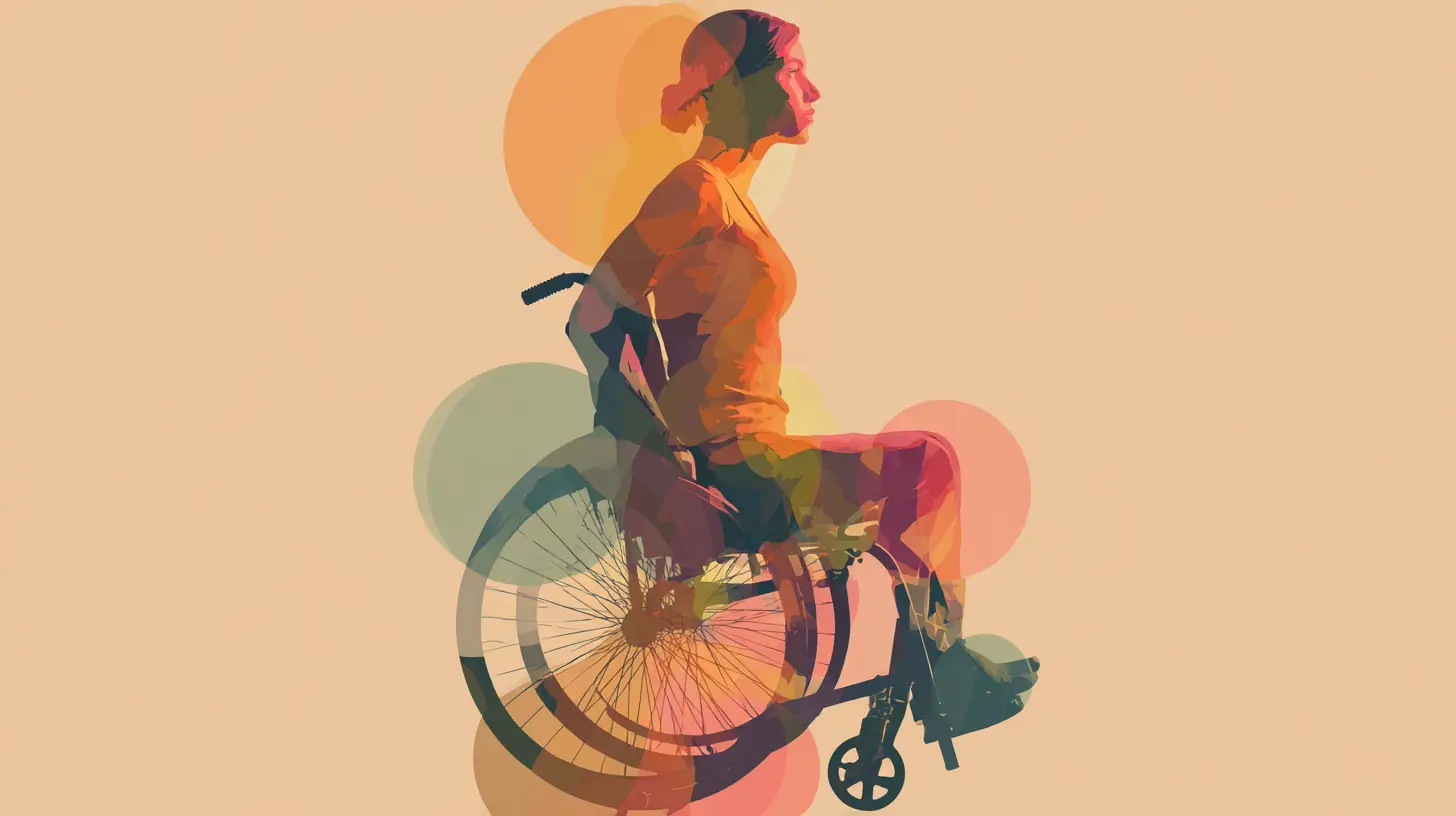
Redefining Confidence on Your Own Terms (Yes, You Can)
Let’s get real. Confidence isn’t this magical, sparkly feeling that descends upon you when you finally lose 10 pounds or get that perfect Insta angle. Confidence is actually more like body odor: it develops the more you move through life owning yourself—and sometimes, it makes people uncomfortable if it’s too strong. (Oops.)Redefining confidence while living with a physical disability isn't about ignoring your differences; it’s about incorporating them into the fabulous mosaic that is your identity.
Start with accepting the fact that your body is not a problem to solve. It’s a story to tell.
Some Practical (and Slightly Funny) Tips for Boosting Your Body Image
Okay, pep talk aside—what can you actually do to start feeling more confident in your skin? Here's a mix of humor and help:1. Stop Following Perfect People on Social Media
Unless you're following them because they post great memes. Memes are allowed.But seriously—curate your feed. Follow people who share their realities, especially those who live with physical disabilities. There are amazing creators out there breaking all the molds. Representation matters, and seeing someone rock a prosthetic leg in a tutu might just be the vibe-lift you need.
2. Dress for the Mood You Want
You ever try putting on a ridiculous hat just because it makes you laugh? Try it. Even better, find an outfit that makes you feel like James Bond or Beyoncé. Even if it's just to sit on the couch and order tacos. Style doesn’t care what your body can or can’t do—it only cares how you feel in it.3. Talk Back to Your Inner Troll
We all have that little voice in our head that’s like, “You can’t wear that,” or “People are staring.” Newsflash: that voice is kind of a jerk. Next time it speaks up, imagine it as a cartoon gremlin wearing Crocs and tell it to sit down.4. Find Your Community
Isolation is a confidence killer. The more you connect with other people—especially those who’ve been in your shoes (or wheels or whatever!)—the less alone you’ll feel. There’s power in shared experience. There’s also power in group chats where everyone complains about awkward stares and laugh about mobility aid blunders. It helps.5. Laugh. Like, a Lot.
Sometimes things are just ridiculous. Like when someone asks, “What happened to you?” like you’re a character in a Marvel origin story. The best way to deal with those moments? Humor.Laugh about it. Laugh at it. Laugh because confidence isn’t about being taken seriously all the time—it’s about not letting the silly stuff knock you off center.
Challenging Stereotypes (Without Making It Your Full-Time Job)
You don’t owe anyone an awakening. But if you happen to challenge someone’s biases just by doing your thing—whether that’s dating, working, dancing, or dominating karaoke night—more power to you.And if you ever need to call someone out gently, try this go-to line:
“Oh, you thought [insert stereotype here]? That’s adorable.”
Then smile and carry on being fabulous.
Sex, Dating, and the Confidence Curveball
Let’s talk about the awkward elephant again: dating with a physical disability.First of all, yes—you are desirable. No, you don’t have to “warn” someone before a date that your body is different than what they might expect. This is not an M. Night Shyamalan movie. You’re not a plot twist—you’re the main character.
If someone reacts poorly, they’re not your person. If someone fetishizes you, run (or roll!) in the other direction. Confidence in dating, like anywhere else, is about knowing your worth and not settling for anyone who treats you like a checkbox on their “Good Deed” list.
When Mental Health Joins the Party
Physical disability and mental health go hand in hand... like those clingy best friend duos on reality TV. Sometimes frustrations about accessibility, chronic pain, or isolation can spiral into anxiety, depression, or body dysmorphia.First and foremost: you’re allowed to feel how you feel. Being confident doesn't mean being bulletproof. Getting help—therapy, support groups, mental health apps, even venting to someone over a warm cup of something caffeinated—can be game-changing.
You don’t have to “stay strong.” You just have to show up.
Confidence Is Not a Destination—It’s a Dance (And You Can Lead)
Truth bomb time: no one feels 100% confident all the time. Not even the influencers with perfect teeth and motivational captions. Confidence comes in waves. Sometimes it's riding high, sometimes it's doing the doggy paddle in shallow water.The key? Keep dancing with it.
Celebrate the days you feel like a rockstar. Be kind to yourself on the days you feel more like a background vocalist with a cold.
Redefining confidence means embracing your body—not in spite of your disability, but with it. Like a perfectly imperfect duet. Like peanut butter and jelly. Like Crocs and socks (don’t judge, they’re comfy).
You get to write the rules to your own body image game. So make them weird, wonderful, and just right for you.
Final Thoughts: Own Your Awesome
Whether your body uses wheels, crutches, power chairs, or just does things a little differently—you are not “less than.” You’re not “brave” for showing up in the world. You’re just...you. And that’s more than good enough.So walk, roll, hobble, strut, or dance like no one's watching (and if they are, give them a wink). Confidence isn’t about hiding your physical disability—it’s about showing the world that you don’t owe it an apology.
all images in this post were generated using AI tools
Category:
Body ImageAuthor:

Eliana Burton
Discussion
rate this article
1 comments
Francesca McAuley
This article sheds light on embracing confidence beyond traditional body image standards.
July 29, 2026 at 3:24 AM
Eliana Burton
Thank you for your insights! Embracing confidence goes beyond appearances, and I'm glad this article resonates with that idea.